Field guide Guides 10 min
Frost Blanket for Plants: Weight, Fabric, and When to Cover
Frost blankets add 2-8°F of protection depending on fabric weight. The real weight classes, when to cover plants for frost, and when the cover cooks your crops

A frost blanket buys 2 to 8 degrees Fahrenheit of protection over the outside air, and the number depends almost entirely on fabric weight. A lightweight spunbond cover at roughly half an ounce per square yard holds 2 to 4 degrees. A heavyweight cover at 1.5 ounces or more holds 6 to 8 degrees, occasionally more when it is doubled up or draped over a hooped low tunnel. None of that matters if the cover stays on into a sunny afternoon. The same fabric that keeps a 28-degree night from killing your lettuce can cook the same lettuce by noon.
Frost cloth, row cover, and frost blanket are the same product sold under three different names, and nearly everything on a garden center shelf under any of those names is spunbonded polypropylene, not a woven fabric. The confusing part isn’t the material. It’s matching the right weight to the actual forecast, and knowing exactly when the cover has to come back off.
What a frost blanket actually does
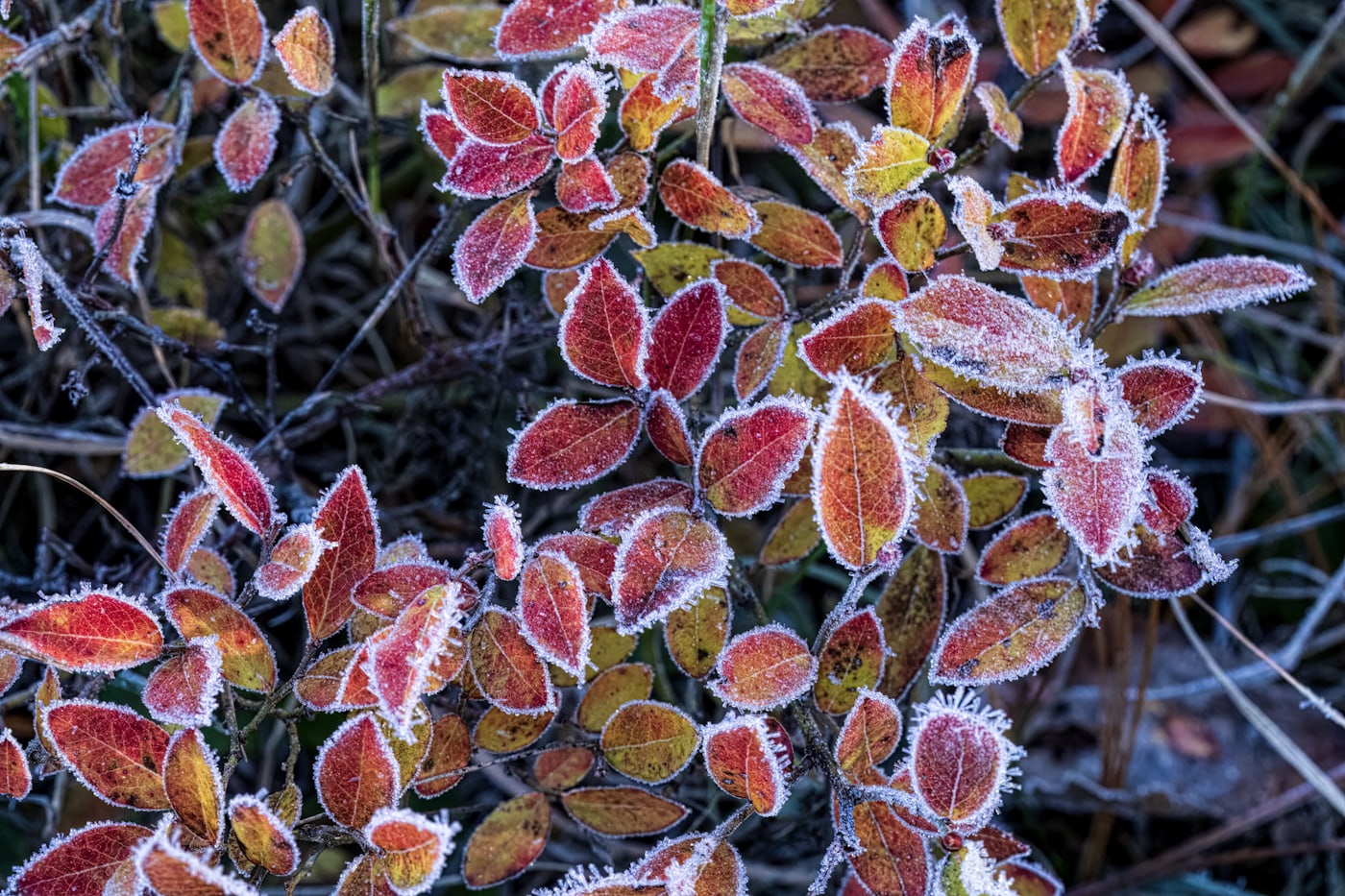
Frost that kills tender plants on a clear, calm night is called radiation frost. The ground and everything on it radiates heat upward all night with nothing to stop it, the way a bonfire loses its warmth to a cloudless sky faster than to an overcast one. Cloud cover works as an insulating lid; a frost blanket is a cheap substitute for that lid, laid directly over the plants instead of hanging a mile up.
The fabric doesn’t generate any heat. It slows the rate at which heat already stored in the soil escapes upward past the plant canopy, and it traps a thin layer of slightly warmer air right at leaf level. That is the entire mechanism. It’s also why a wet cover works against you: as water evaporates off the fabric, it pulls heat with it, and the air right next to the plant can end up colder than if you had left the cover off entirely.
A second kind of frost, an advective freeze driven by an incoming cold front, behaves differently. Temperatures drop further and stay down longer, often with wind, and a single layer of fabric has much less to work with. Extension guidance treats the two situations differently for a reason: a lightweight cover that gets you through a 30-degree radiation frost in October will not get a pepper plant through an advective freeze into the low 20s in the same way.
What temperature does a frost blanket protect against?
The honest answer is a range, and the range tracks fabric weight almost exactly. Agribon’s lineup, the standard reference point most garden centers stock a version of, breaks into four practical tiers:
| Weight class | Fabric weight | Light transmission | Frost protection | Best for |
|---|---|---|---|---|
| Super-lightweight | ~0.45 oz/yd² | ~90% | Minimal, insect exclusion only | Pest barrier, seed germination, no real cold |
| Lightweight | ~0.55 oz/yd² | 85% | 2-4°F | A light frost, early fall or late spring nights near 28°F |
| Mediumweight | ~0.9 oz/yd² | 70% | 4-6°F | A hard frost, overnight lows in the mid-20s |
| Heavyweight | 1.5-2.0 oz/yd² | 30-50% | 6-8°F, sometimes more | A hard freeze, overwintering tender perennials |
That table holds up across every source that publishes numbers on it: the heavier the fabric, the more degrees of protection it buys and the less light it lets through. There’s no way around that trade. A cover heavy enough to survive a hard freeze also blocks half the light a plant would otherwise get, which is fine for a few overnight covers and a real problem if you leave it on for weeks over a leafy crop that needs to keep growing.
Layering changes the math. A double layer of lightweight fabric, or a single layer of medium fabric draped over hoops instead of laid flat on the canopy, both add measurable protection beyond the single-layer number, mostly because the air gap between layers (or between fabric and leaf) adds its own insulating value on top of the fabric itself.
Frost cloth, frost blanket, row cover: is it all the same thing?
Functionally, yes. Retailers use “frost blanket,” “frost cloth,” and “row cover” almost interchangeably, and the product underneath is nearly always the same class of material: a nonwoven, spunbonded sheet of polypropylene or polyester fibers, sold under names like Agribon or Reemay. Spunbond fabric is made by extruding continuous fibers directly into a felted mat rather than weaving individual threads, which is what gives it the slightly fuzzy, semi-transparent look and the ability to stretch a little without a clean tear line.
True woven fabric exists in this category too, but it shows up more often as insect mesh (finer, tighter-woven netting sold for exclusion rather than warmth) or as a heavier-duty reusable fabric for commercial operations that need something more tear-resistant than a season-one spunbond sheet. For a home garden buying a frost blanket by the roll, spunbond nonwoven is what you’re getting well over 90% of the time, and it’s the right choice: it’s cheaper, it drapes more forgivingly over odd-shaped plants, and a snag in it doesn’t propagate into a long rip the way a pulled thread in a woven fabric can.
When should you cover plants for frost?
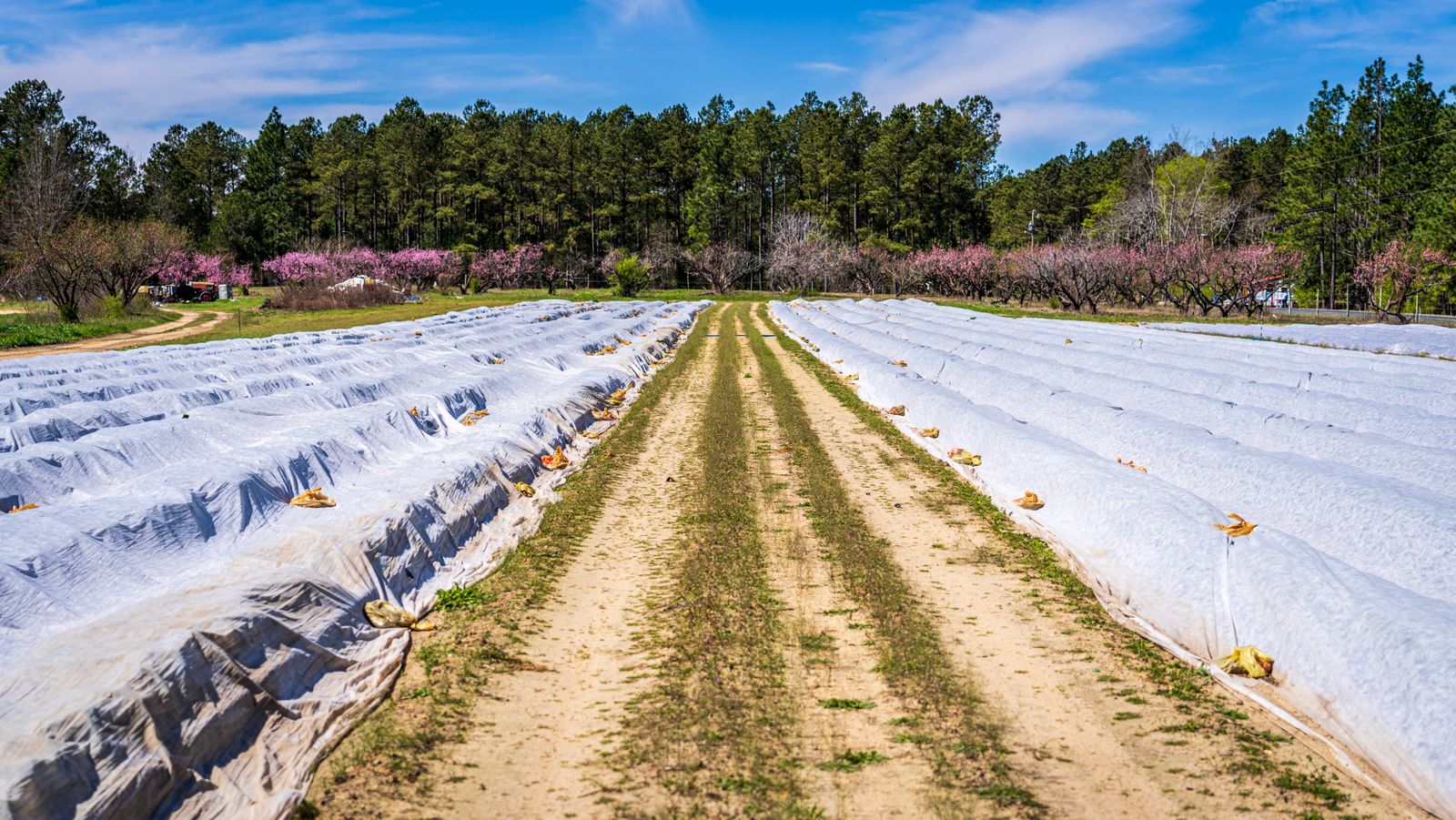
Put the cover on before sunset, while the soil still holds the day’s heat. The whole mechanism depends on that stored soil heat radiating up through the fabric slowly instead of straight out into a clear sky, so a cover thrown on after dark, once the ground has already started losing heat unimpeded, starts from behind. As a rule of thumb, cover any time the forecast overnight low sits at or below 32°F, and cover earlier rather than later on nights with a clear sky and no wind, since those are exactly the conditions that produce radiation frost.
Seal or weight the edges to the ground once the fabric is in place. Extension guidance is consistent on this point: an unsealed edge lets the trapped warm air spill out and cold air move in underneath, which erodes most of the benefit the fabric is supposed to provide. Rocks, boards, landscape pins, or just mounding soil along the edge all work.
You have two ways to lay the fabric down. Floating it directly over the plant canopy is faster and needs no extra hardware, and it’s the standard approach for anything sturdy enough not to bruise under the fabric’s own weight, like brassicas or root crop tops. Supporting it on wire or fiberglass hoops instead, so the fabric never touches the leaves, adds an air gap between the canopy and the cover, and that gap does real work: it adds its own layer of insulation on top of whatever the fabric alone provides, which is why hooped low tunnels routinely outperform a floating cover of the identical fabric weight.
Can you leave a frost blanket on during the day?
Only if you check the weather first, and usually the honest answer is no. A closed cover on a sunny day is not a gentle greenhouse effect. Field measurements have recorded interior temperatures climbing to over 130°F within an hour of direct sun hitting a sealed cover, and a separate field test tracked 86°F ambient air jumping to 96°F under a single layer and 113°F under a double layer in five to ten minutes. Tomatoes and peppers start dropping blossoms once the temperature under the cover climbs into the high 80s to low 90s, which a sealed cover on any bright day will reach well before noon.
The fix is not complicated: pull the cover at sunrise on a clear day, or at minimum vent it, cracking one edge or bunching the fabric to one side so heat can escape. Extension guidance frames this as a daily rhythm rather than an occasional chore: cover at dusk to trap the night’s protection, uncover or vent by mid-morning to let the soil recharge with fresh sunlight, cover again before the next sunset if frost is still in the forecast. Skipping the daytime removal for even one bright, calm day is enough to stress or kill exactly the plants you were trying to protect the night before.
Frost blankets vs cold frames, cloches, and a greenhouse
A frost blanket is the cheapest, fastest tool in the season-extension toolbox, and it’s also the least forgiving one. Here’s roughly how it stacks up against the other common options, based on the protection ranges extension programs publish:
- Row cover / frost blanket: 2-10°F over ambient, depending on weight and whether it’s floating or hooped. Costs pennies per square foot, sets up in minutes, but needs daily attention on sunny days.
- Cold frame: roughly 3-6°F of frost protection in most published figures, though a glazed box also stores real daytime heat in its frame and soil mass, which a fabric cover alone doesn’t do. Needs the same daily venting discipline as a row cover, just on a smaller, more contained footprint.
- Cloche: a single-plant version of the same idea, historically a glass bell jar, now often a plastic dome or cut jug. Traps solar radiation around one plant and needs to come off or vent during the day exactly like a row cover does, just at a much smaller scale.
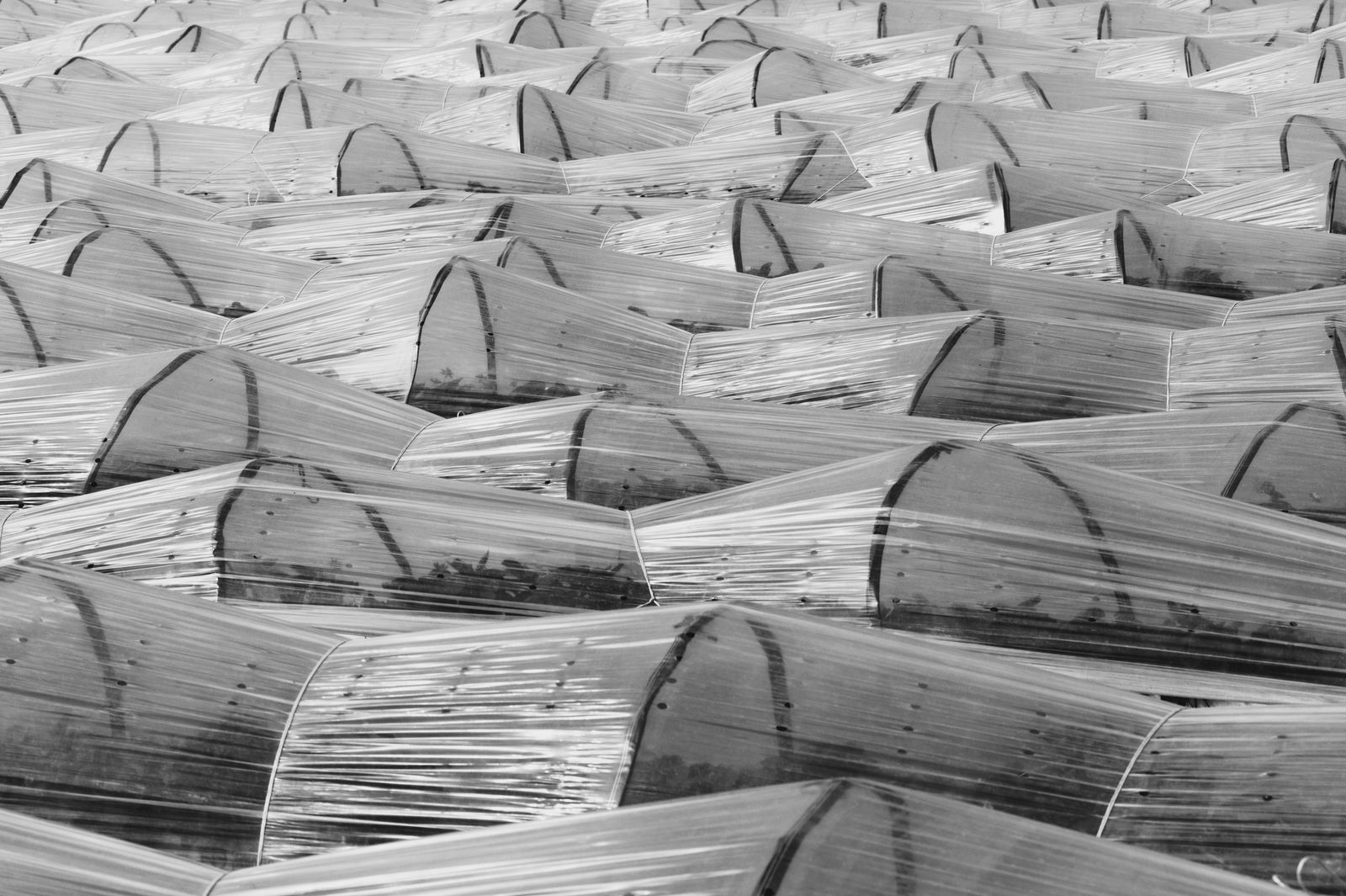
- Greenhouse or high tunnel: works on a longer timescale. Rather than protecting against one specific overnight event, it raises the average growing temperature across the whole season, and a row cover deployed inside it stacks on top of that baseline lift. Our winter growing guide covers Eliot Coleman’s twice-tempered climate system in detail: an unheated greenhouse alone adds roughly 10 to 15 degrees over outside air, and a row cover draped inside that greenhouse adds another 10 to 15 degrees on top, which is how mache and kale survive nights well below zero that would kill the same crops under a row cover alone in the open field.
The overheating math doesn’t go away just because the structure gets bigger, either. Our greenhouse ventilation guide covers the same trap at a larger scale: an unventilated polycarbonate greenhouse can hit 100°F within two hours of a sunny March morning, for exactly the same physical reason a sealed row cover hits 130°F. If you’re deciding between a row cover setup and a permanent structure for the same growing space, the high tunnel vs. greenhouse kit guide and the greenhouse plastic guide cover the tradeoffs on cost, coverage, and glazing once you’re ready to commit past fabric and hoops.

Which weight to buy for your climate
Buy lightweight fabric (2-4°F, roughly half an ounce per square yard) for insect exclusion and the occasional light frost in the shoulder seasons, spring nights that dip to 28°F on their way up to a warm summer, or fall nights doing the same on the way down. It’s cheap enough to treat as close to disposable and lets in enough light that leaving it on for a week or two doesn’t stall growth.
Buy mediumweight fabric (4-6°F) as the general-purpose choice if your area sees a real, hard frost more than once or twice a season, overnight lows settling into the mid-20s rather than just brushing 32°F. This is the weight most gardeners end up reaching for most often once they’ve owned a lightweight cover and found it wasn’t enough.
Buy heavyweight fabric (6-8°F or more) for a genuine hard freeze, overwintering a tender perennial you don’t want to dig up and move inside, or as the inner layer inside a cold frame or unheated greenhouse where it’s stacking on top of another 10 to 15 degrees rather than working alone. Don’t reach for heavyweight fabric as your default cover for an actively growing crop that needs to keep photosynthesizing; the 30 to 50 percent light transmission that buys the extra degrees is a real cost if the cover stays on for more than a few nights at a stretch.
Accessories worth buying on day one
A short list of the gear that makes frost blanket season easier to run correctly instead of by guesswork.
- Agribon AG-19 lightweight row cover: the 0.55 oz workhorse for shoulder-season frost and insect exclusion, light enough to lay directly on the canopy without support.
- Agribon AG-50 heavyweight row cover: 1.5 oz fabric for a genuine hard freeze or overwintering duty, the cover to reach for when the forecast drops into the teens.
- Fiberglass garden hoops for row cover support: keeps the fabric off the canopy and adds the air-gap insulation that a floating cover alone doesn’t get, worth the few extra minutes of setup on any bed you’ll be covering more than once.
As an Amazon Associate, Defy Frost earns from qualifying purchases.