Greenhouses · Season extension · Frost strategy
Your last frost date is a suggestion.
The greenhouse kits, high tunnels, and cold-weather gear that keep things growing when the calendar says stop. BTU heating math, snow-load facts, and the trade-offs that decide what holds the line. Winter is a solvable problem.
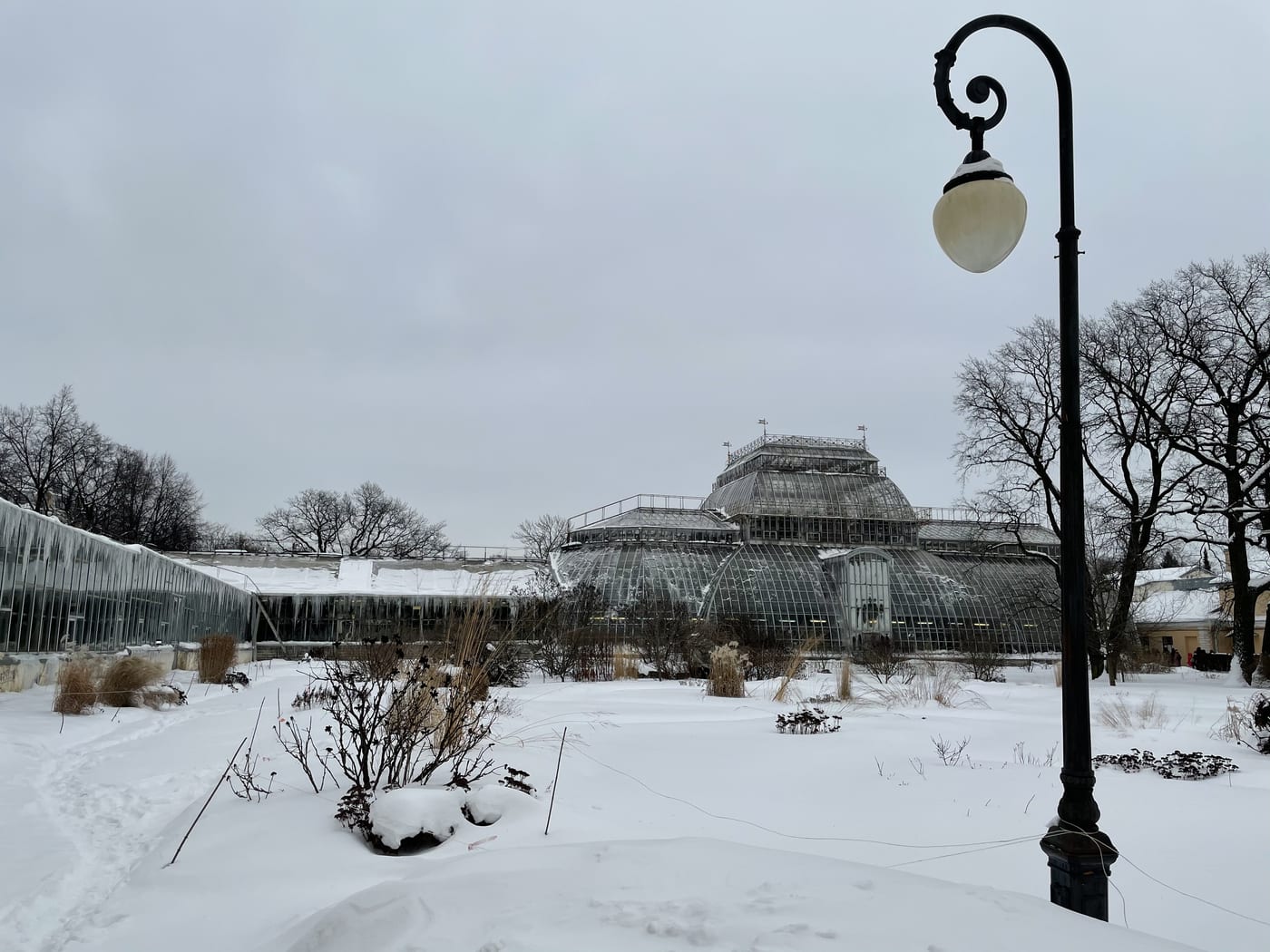
Know your enemy
How hard is your winter?
The right structure depends entirely on what you're up against. The fight sorts by zone, not by price. Find yours.
- Z8+ Mild winters Frost visits, it doesn't move in. A frost blanket, a cold frame, or an unheated hobby kit covers most of the fight here. Season-extension guide
- Z5–7 Real winters Greenhouse country. Twin-wall polycarbonate, honest heater math in BTUs, and the kits that hold the line through a hard freeze. Heater math, in BTUs
- Z3–4 Brutal winters Snow-load ratings stop being fine print. The Riga class, glass orangeries built like ships, and engineering that earns its price. Snow-load ratings
From the field
All articles-
 Guides
 Frost Blanket for Plants: Weight, Fabric, and When to Cover
Frost blankets add 2-8°F of protection depending on fabric weight. The real weight classes, when to cover plants for frost, and when the cover cooks your crops
-
 Comparisons
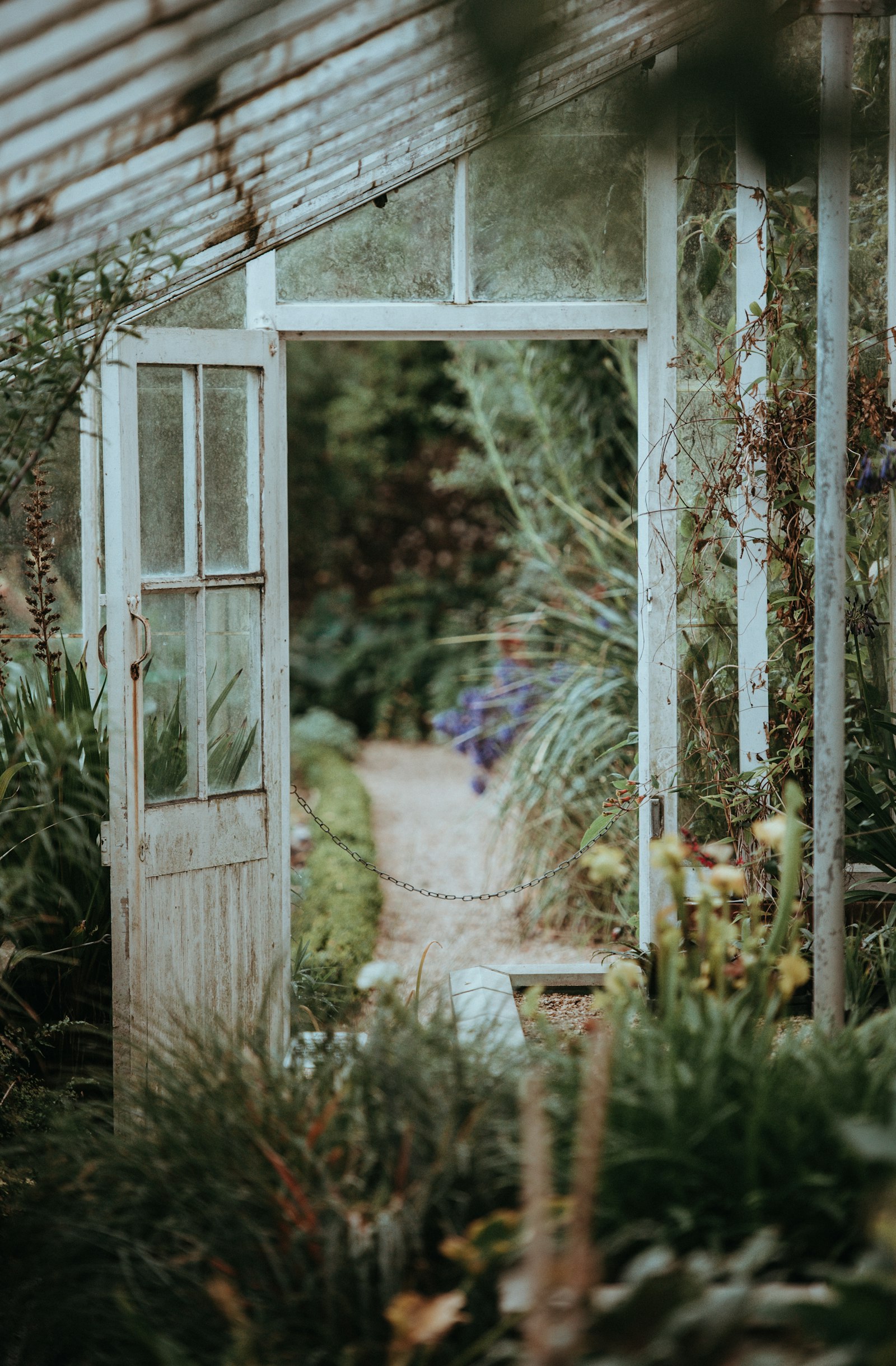
 Monticello vs Riga: Which Premium Greenhouse Kit Wins
Riverstone Monticello runs $3,150 to $11,799 from the US. Exaco Riga runs $5,095 to $22,999 from Germany. Compared on wind rating, glazing, warranty, and fit.
-
 Guides
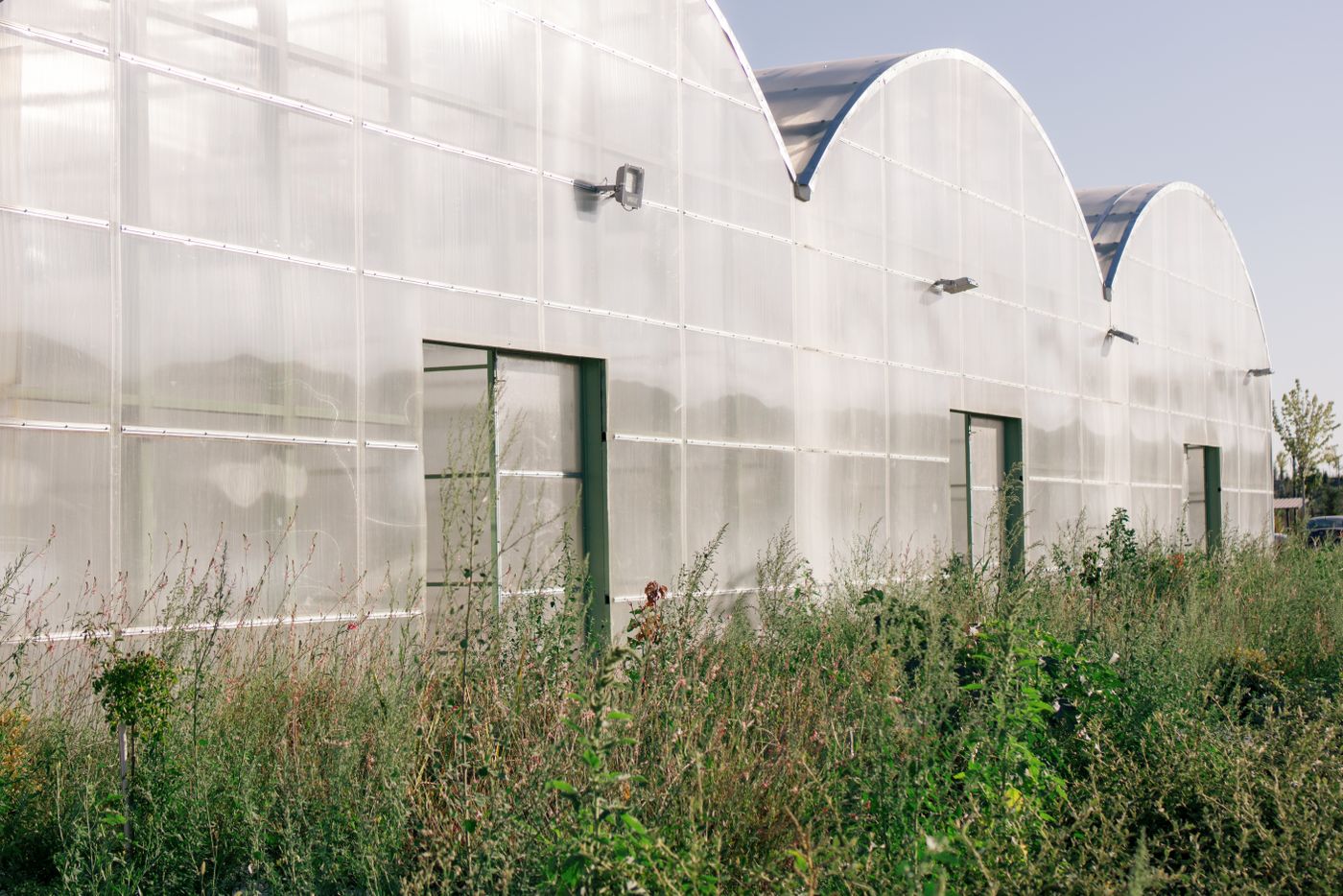
 Polycarbonate Glazing Explained: 4mm to 16mm Compared
4mm vs 6mm vs 8mm vs 10mm twin-wall polycarbonate: R-values, light transmission, and UV coatings compiled from manufacturer spec sheets, decoded model by model.
-
 Reviews
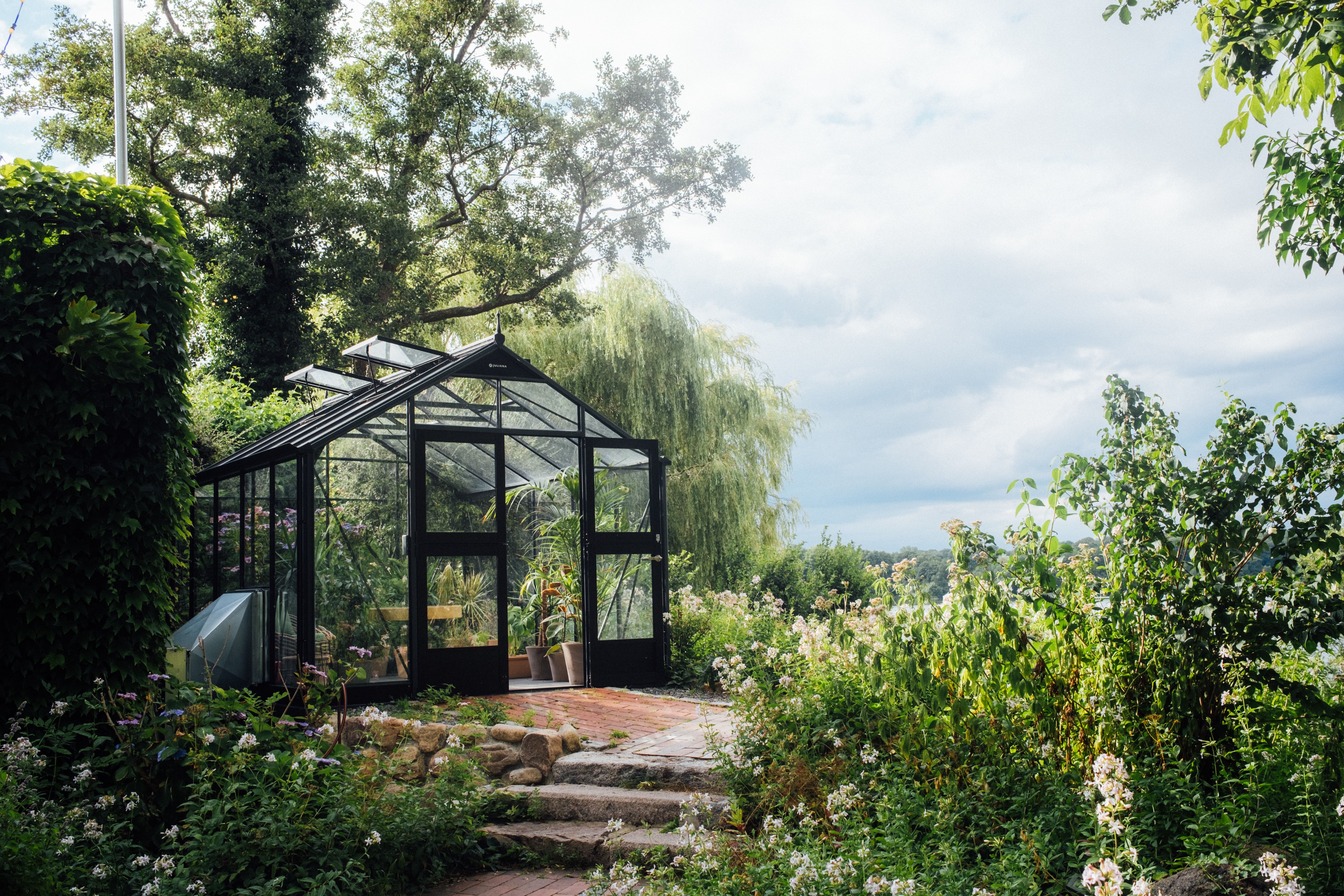
 Riverstone Monticello Review: The USA Aluminum Kit
What Riverstone Monticello (MONT) owners report: US-made aluminum kits from $3,150 to $11,799, the tier breakdown, and how it stacks up against the Exaco Riga.
-
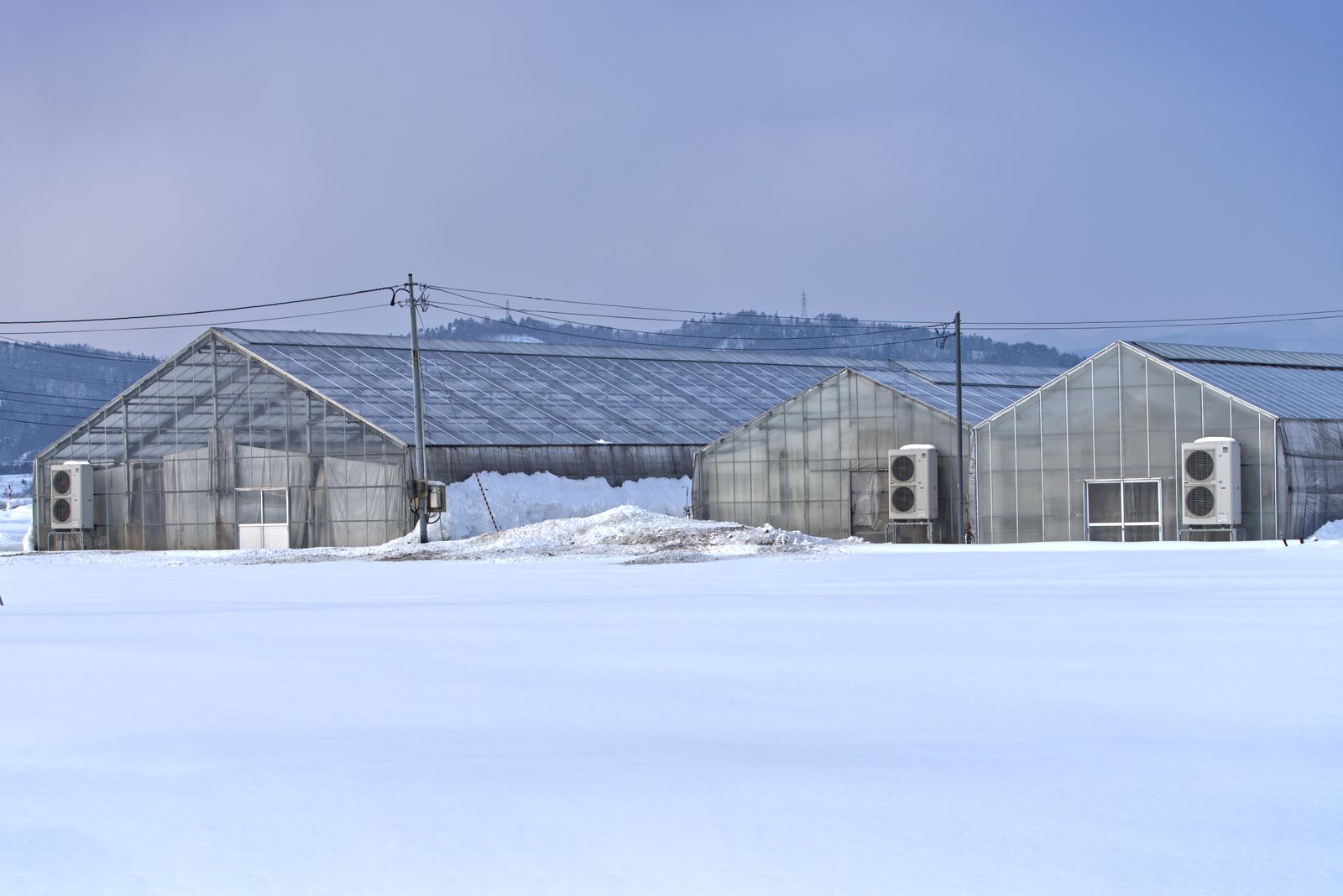
Best 4-Season Greenhouse Kits for Cold-Climate Growing
Greenhouse kits that handle cold winters. Glazing thickness, snow load ratings, and the structural features that determine year-round growing performance.
-
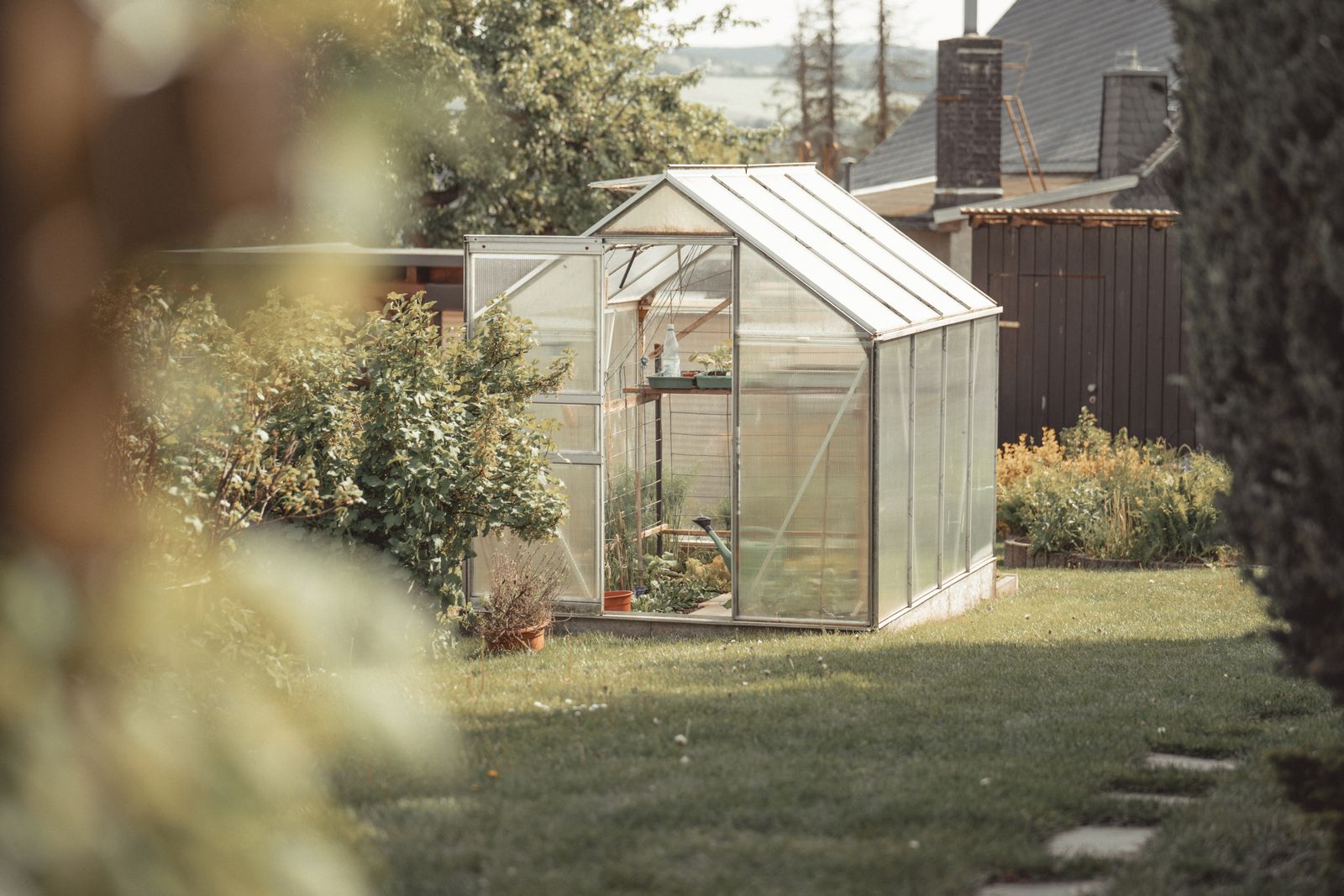
Best Budget Greenhouse Kits Under $1,000: What to Buy
What a greenhouse budget under $1,000 actually buys. The honest comparison between fabric pop-ups, polycarbonate starter kits, and hoop houses.
The questions every grower asks first.
Do greenhouses work in winter?
Yes, with the right expectations. An unheated greenhouse buys roughly one to two USDA zones of protection: cold-hardy crops keep producing while tomatoes still die. Add modest heat and insulation and the growing season simply stops ending. The difference between disappointment and a January salad is matching the structure to your zone.
How much warmer is a greenhouse than outside?
On a sunny winter day, 20 to 40 degrees warmer inside is normal. On a cloudy night, an unheated greenhouse holds only 2 to 8 degrees over the outside air, which is why night strategy, thermal mass, row covers inside, or a small heater, decides what survives. The math runs differently for each structure type.
Do I need a foundation for a greenhouse kit?
Small kits under about 50 square feet can sit on a leveled, anchored timber base. Bigger or more permanent structures want a proper perimeter foundation, and snow country makes that non-negotiable. Anchoring matters more than people think: an unanchored greenhouse is a kite with panels.
When should I cover plants for frost?
When the forecast touches 36 degrees, cover that evening: official frost readings happen at five feet, and ground level runs colder. Covers go on before sunset to trap soil heat and come off in the morning. A frost blanket buys 4 to 8 degrees; an old bedsheet buys 2 to 4.
Pick the structure that holds your winter.
Heating costs in real BTUs and dollars, snow-load ratings off the manufacturers' own sheets, and the foundation and glazing choices that decide whether a kit survives a hard freeze. Match the structure to your zone and the growing season stops ending.