Field notes Comparisons 8 min
Monticello vs Riga: Which Premium Greenhouse Kit Wins
Riverstone Monticello runs $3,150 to $11,799 from the US. Exaco Riga runs $5,095 to $22,999 from Germany. Compared on wind rating, glazing, warranty, and fit.
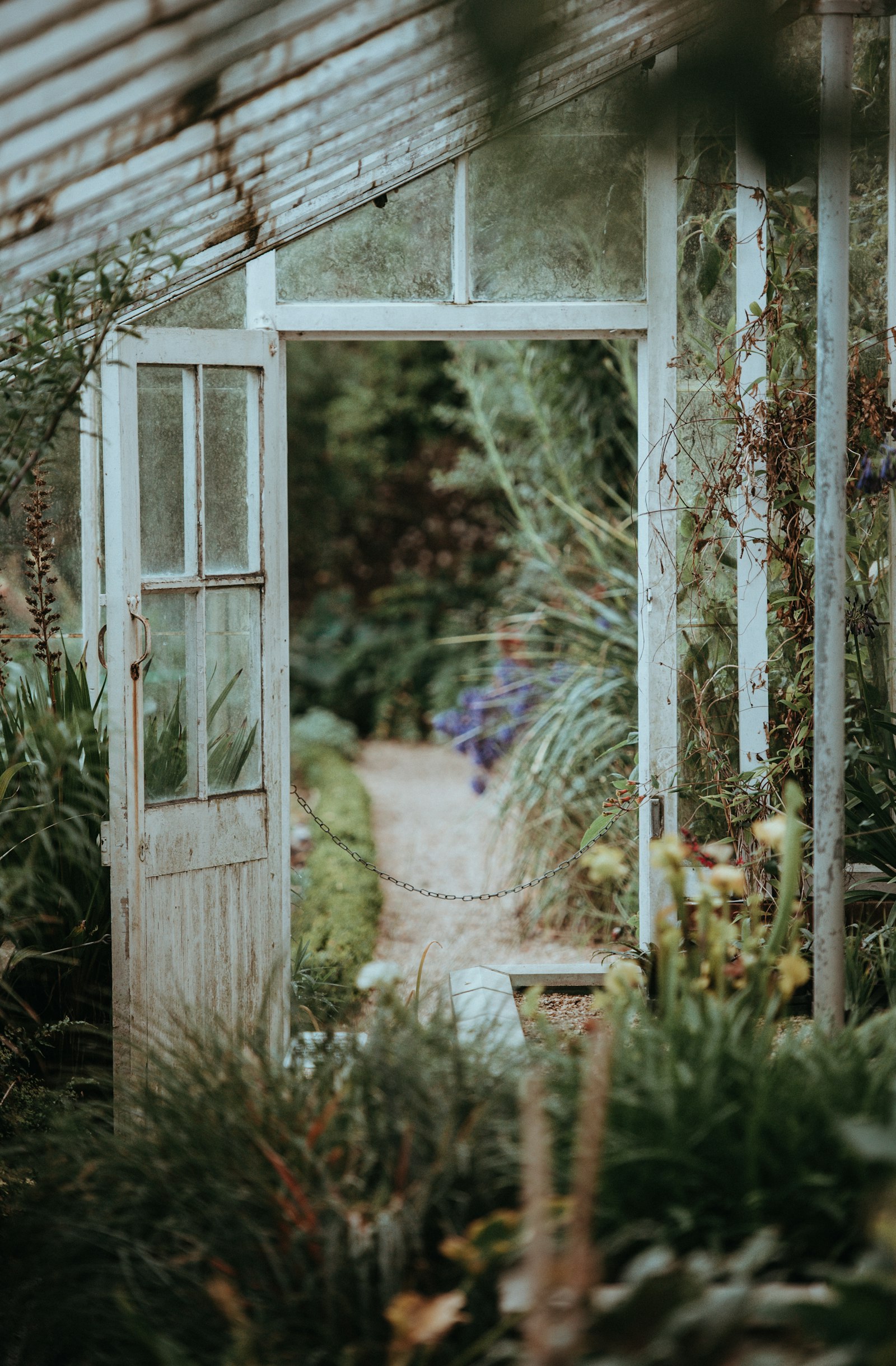
Buy the Riverstone Monticello, $3,150 to $11,799, if you garden through a moderate winter and want a domestically built aluminum kit at the lower end of the premium tier. Buy the Exaco Riga, $5,095 to $22,999, if you’re in real snow country and need the 120-plus mph wind rating and 20-to-30-pound snow load the Monticello simply doesn’t carry. Everything else in this comparison is detail on that one decision.
Both kits get lumped into “premium greenhouse” searches together because they occupy the same rough price band and the same aluminum-and-polycarbonate category. That’s about where the similarity ends. One is an American mass play: thicker gauge aluminum, a fixed glazing spec, a lower price of entry. The other is a German engineering play: an arched roofline built specifically to shed snow, a joinery system that slides instead of just bolting, and a price that climbs with it.
Price and origin: two different bets on where your money goes
| Riverstone Monticello (MONT) | Exaco Riga | |
|---|---|---|
| Price range | $3,150 to $11,799 | $5,095 to $22,999 |
| Manufactured | United States (Riverstone Industries, Dover, NJ, warehousing in Georgia; 90%+ US-made) | Germany (Hoklartherm), imported and distributed by Exaco |
| Smallest listed model | 8x8 Standard, ~$3,150 | Riga 2s, 54 sq ft, ~$5,095 |
| Largest listed model | 8x24 Growers Edition, up to $11,799 | Riga XL 9, 413 sq ft, $22,999 |
| Sold direct on Amazon | Yes (ASIN B006Y13GJQ) | Riga V listed (ASIN B00275ENQ8); most sizes sold via Home Depot and dealers |
The smallest Riga costs more than a mid-size Monticello Premium kit. That’s not a rounding error, it’s the whole story in one line. Riverstone builds in the US and prices to compete on entry cost. Exaco builds in Germany, ships a freight crate across an ocean, and prices for the engineering behind the crate. Neither number is wrong. They’re answers to different questions.
Frame and glazing: the numbers that matter in a storm
| Riverstone Monticello | Exaco Riga | |
|---|---|---|
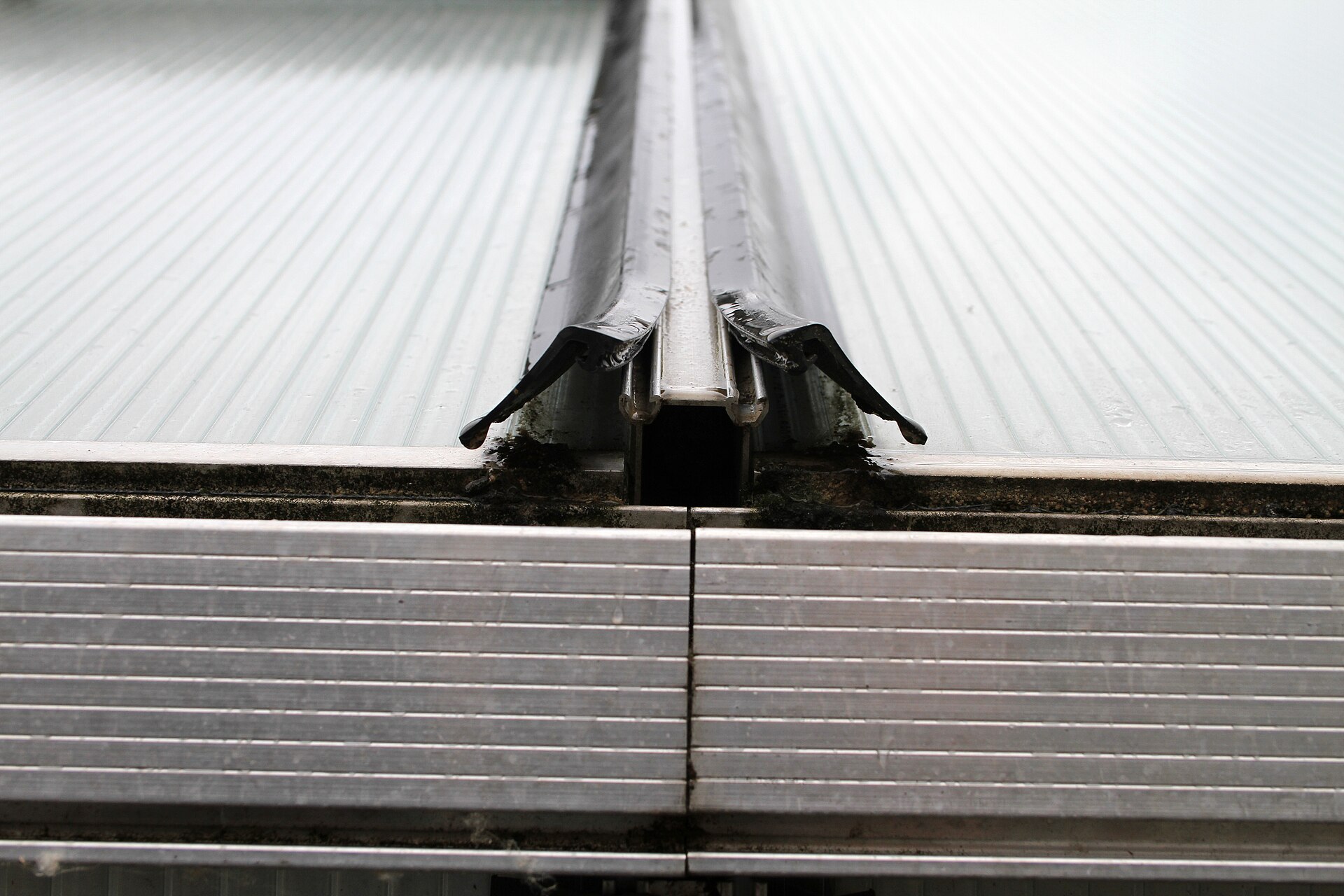
| Standard glazing | 8mm twin-wall polycarbonate, fixed across every tier | 8mm/10mm twin-wall (Riga 2s through 5); 16mm triple-wall on the Riga XL line only |
| Wind rating | 65 mph | 120-plus mph |
| Snow load rating | 24 lb/sq ft | 20 to 30 lb/sq ft (XL rated to 30) |
| Frame approach | Extruded aluminum, thicker gauge and more total mass, Twist & Lock bolted joints | 13-gauge aluminum, arched profile, slide-together joinery |
Riverstone’s own marketing leans on mass: its frames use roughly 40 pounds more aluminum than the average imported greenhouse of comparable size. That’s a real engineering choice, more metal resisting more load. Exaco’s bet is geometry instead. The Riga’s curved sidewalls aren’t styling, they’re the mechanism that keeps snow from stacking in the first place, and the profile sections slide together rather than depending purely on bolted joints holding under repeated wind flex. Both are legitimate answers to the same problem. Riverstone adds weight. Exaco changes the shape.
Is the Riga worth the price premium over the Monticello?
For most buyers in zones 6 and warmer, no. The wind and snow ratings the Riga charges for are headroom you won’t use in a temperate winter, and $2,000 to $10,000 is a real gap to pay for margin you don’t need. A Monticello Premium or Growers Edition kit does the job in that climate at a lower price, ships domestically, and routes warranty claims through a US company rather than an import chain.
For a buyer in zone 5 and colder with sustained heavy snow years, the answer flips. The Monticello’s 65 mph wind rating and 24 lb/sq ft snow load are real ceilings, not marketing footnotes, and the Riga’s engineering has genuine headroom built past that line. The premium buys structural certainty in a climate where a single bad storm can crack a panel or rack a frame out of square. That’s not a small thing to pay for if it’s the actual risk you’re carrying.
Which is better for snow country?
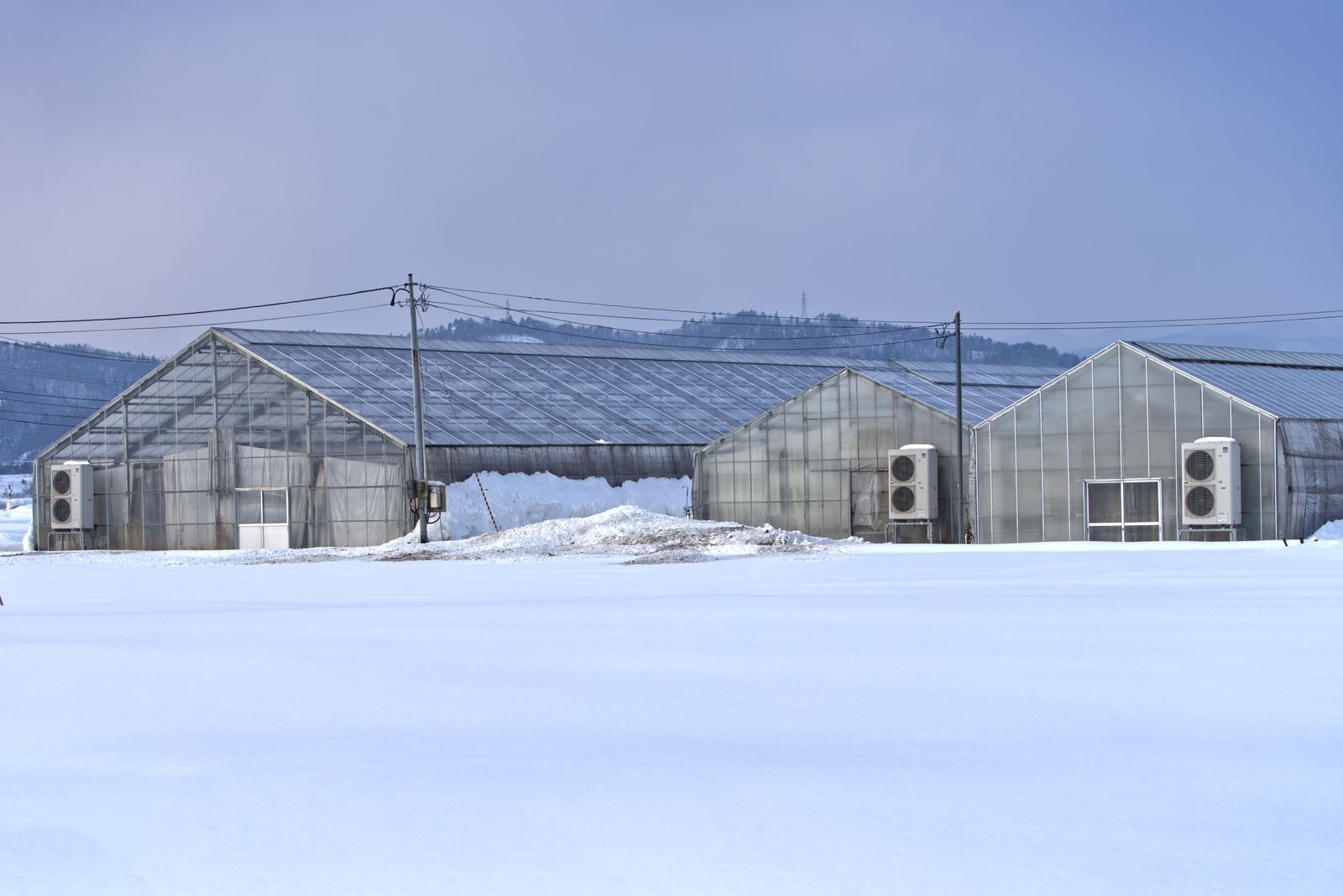
The Riga, and it isn’t close. A Mulberry Greenhouses comparison of both lines, a dealer that carries both, frames the split cleanly: the Riga is built for harsh, frigid winters, and the Monticello for temperate, warmer regions. The manufacturer specs back that up directly. Exaco rates the standard Riga line at 120-plus mph wind and 20-plus pounds of snow load, with the Riga XL rated to 30. Riverstone rates the Monticello at 65 mph and 24 pounds. That’s not two versions of “cold-hardy.” It’s one greenhouse engineered for it and one that wasn’t.
Warranty and support: who answers the phone
The Monticello’s Growers Edition tier carries an explicit 15-year warranty, and Riverstone’s customer service draws consistent praise in owner reviews for handling replacement-part requests quickly. Because the company is US-based, with warehousing in Georgia and headquarters in New Jersey, a warranty claim routes through a domestic phone line and a domestic shipping network. The Riga’s standard polycarbonate carries a 10-year warranty. A claim on a Riga routes through Exaco’s US distribution rather than directly to Hoklartherm in Germany, which is a real layer of distance compared to the Monticello’s shorter chain, even if Exaco’s own customer service also draws strong owner praise for hardware quality and support.
Neither company provides an engineer-stamped, state-specific structural certification for permit purposes. If your jurisdiction requires that letter for a structure of this size, budget for a local engineer regardless of which kit you buy. Our greenhouse foundation guide covers the permit-threshold reality in more detail, and it’s worth reading before either crate ships.
Which size and tier should you actually buy?
Start with the climate question first, then let budget pick the tier within whichever line you land on. If you’re in the Monticello’s territory, the Standard tier at $3,150 to roughly $7,000 makes sense if you already own a heater, a workbench, and a hose timer; the Growers Edition earns its premium if you want a 17,000 BTU heater and a programmable drip system to arrive already built into the kit. If you’re in the Riga’s territory, the Riga 4 and 5 sit at the value floor of that line, $60 to $56 per square foot respectively, while the smaller 2s and 3s cost more per usable foot because the fixed cost of doors and vents spreads across less floor.
Neither company sells a hybrid tier that splits the difference on structural rating. You are not buying a little more wind resistance for a little more money within one line, you’re choosing which line’s engineering ceiling you actually need. Our snow and wind load guide walks through how to read your county’s ground snow load and translate it into an actual buying decision, rather than guessing from the map alone.

Monticello or Riga for a beginner?
The Monticello. A first-time greenhouse owner benefits more from a lower entry price and a shorter, domestic support chain than from wind and snow ratings they may never test. The Monticello’s newer Twist & Lock hardware also cuts down on the loose-hardware assembly complaints that dogged earlier production runs, which matters more to a first-timer than it does to someone who has already built one of these kits before.
The exception is a beginner who already knows their winters are severe. Buying the Monticello to save money and then fighting it through a bad snow year is a worse first experience than paying more up front for the Riga and having the structure simply hold. Match the kit to the actual climate risk, not to comfort with a lower sticker price alone.
Accessories worth buying either way
Both kits ship with the structure and, on most tiers, the basic ventilation. Neither ships with the tools that tell you what’s actually happening inside overnight.
- AcuRite indoor/outdoor digital thermometer: a remote probe shows the real overnight low, which matters on either kit since owner reviews on both lines flag heat retention as the thing buyers most wish they’d checked before trusting seedlings to it.
- Inkbird ITC-308 temperature controller: wire any supplemental heater through this so it only fires at your setpoint, worth it on the Monticello especially since its single 8mm glazing spec bleeds heat faster than the Riga’s insulated air gap.
As an Amazon Associate, Defy Frost earns from qualifying purchases.

The verdict
Buy the Monticello if you’re gardening through a moderate winter, want a domestically built and domestically supported structure, and don’t want to pay Riga-level prices to get a serious aluminum-and-polycarbonate kit. The Standard and Premium tiers cover most hobby growers well under the Riga’s entry price, and the Growers Edition scales up to a market-garden operation without ever leaving the country for parts or support.
Buy the Riga if your winters bring sustained heavy snow or high wind, and the 65 mph and 24 lb/sq ft ceilings on the Monticello are a real risk rather than a hypothetical one. The price premium buys engineering margin, not just polish, and in a genuine snow-country climate that margin is the difference between a greenhouse that survives February and one that doesn’t. Read the full spec breakdowns in our Riverstone Monticello review and Exaco Riga review, and see how both stack up against the rest of the field in our 4-season greenhouse roundup before you commit either way. For the glazing math behind the 8mm-versus-16mm decision specifically, the polycarbonate glazing guide breaks down R-values and light transmission by panel thickness.