Field guide Guides 9 min
Greenhouse Permits: Do You Need One to Build a Kit?
Most backyard greenhouses under 200 square feet avoid permits, but foundation type and local jurisdiction are the variables that change everything.
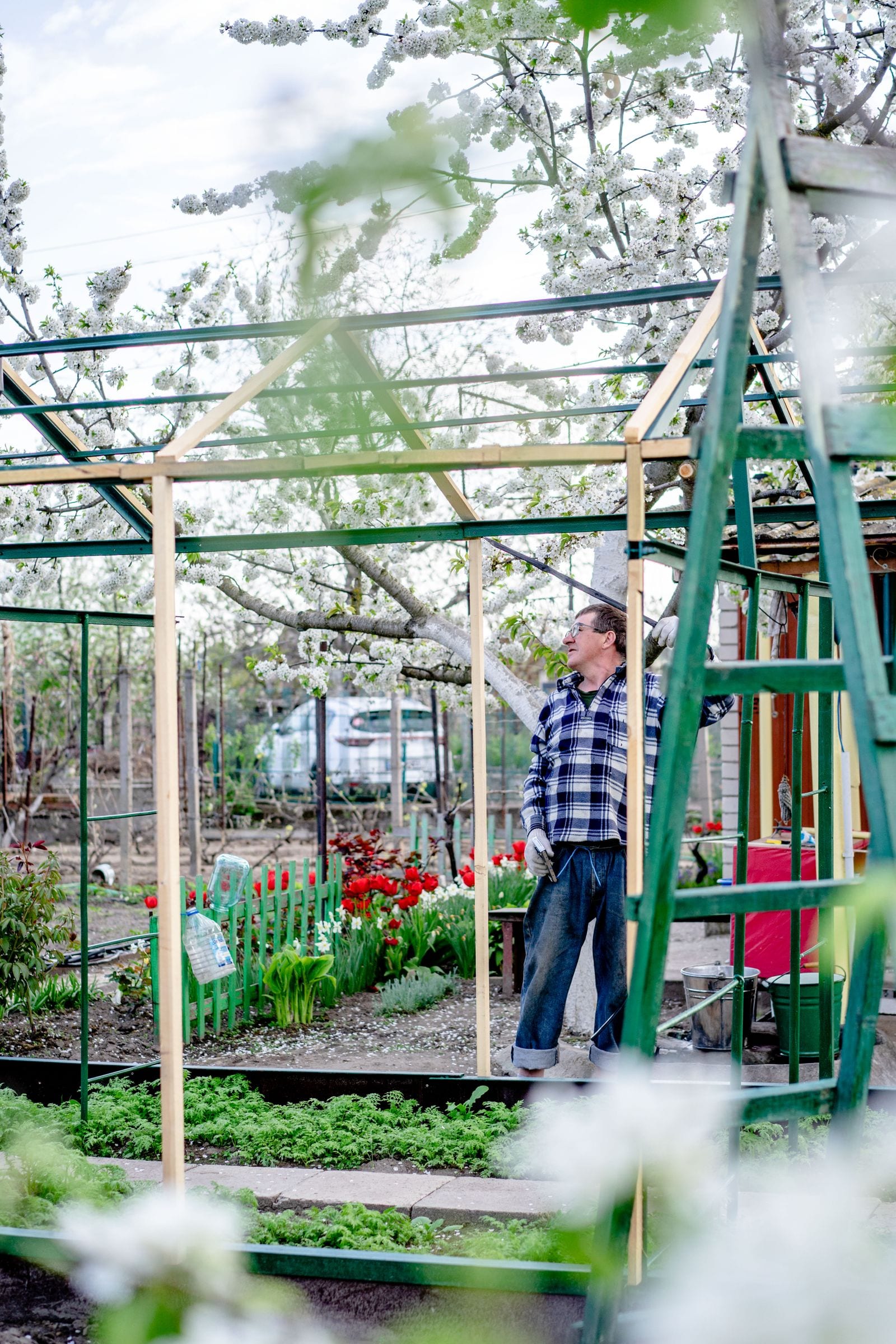
Most jurisdictions exempt small, freestanding greenhouse structures from building permits when they sit on non-permanent foundations and stay under a size threshold that varies by local code, typically 100 to 200 square feet. A greenhouse on a poured concrete foundation is nearly always a permitted structure regardless of size. Check your local code before buying.
Greenhouse kit manufacturers do not answer this question for you, and they should not be expected to. Permit rules vary by jurisdiction, change when municipalities update their codes, and intersect with setback requirements and HOA covenants that have nothing to do with the kit. Getting the answer right requires one conversation with your local building department, before the kit is ordered, not after it arrives on a pallet.
Foundation type: the single variable that matters most
If there is one pattern that holds across US jurisdictions, it is this: a permanent foundation almost always triggers a permit requirement. A non-permanent foundation often does not, at least for structures under the local size threshold.
What building departments typically consider permanent:
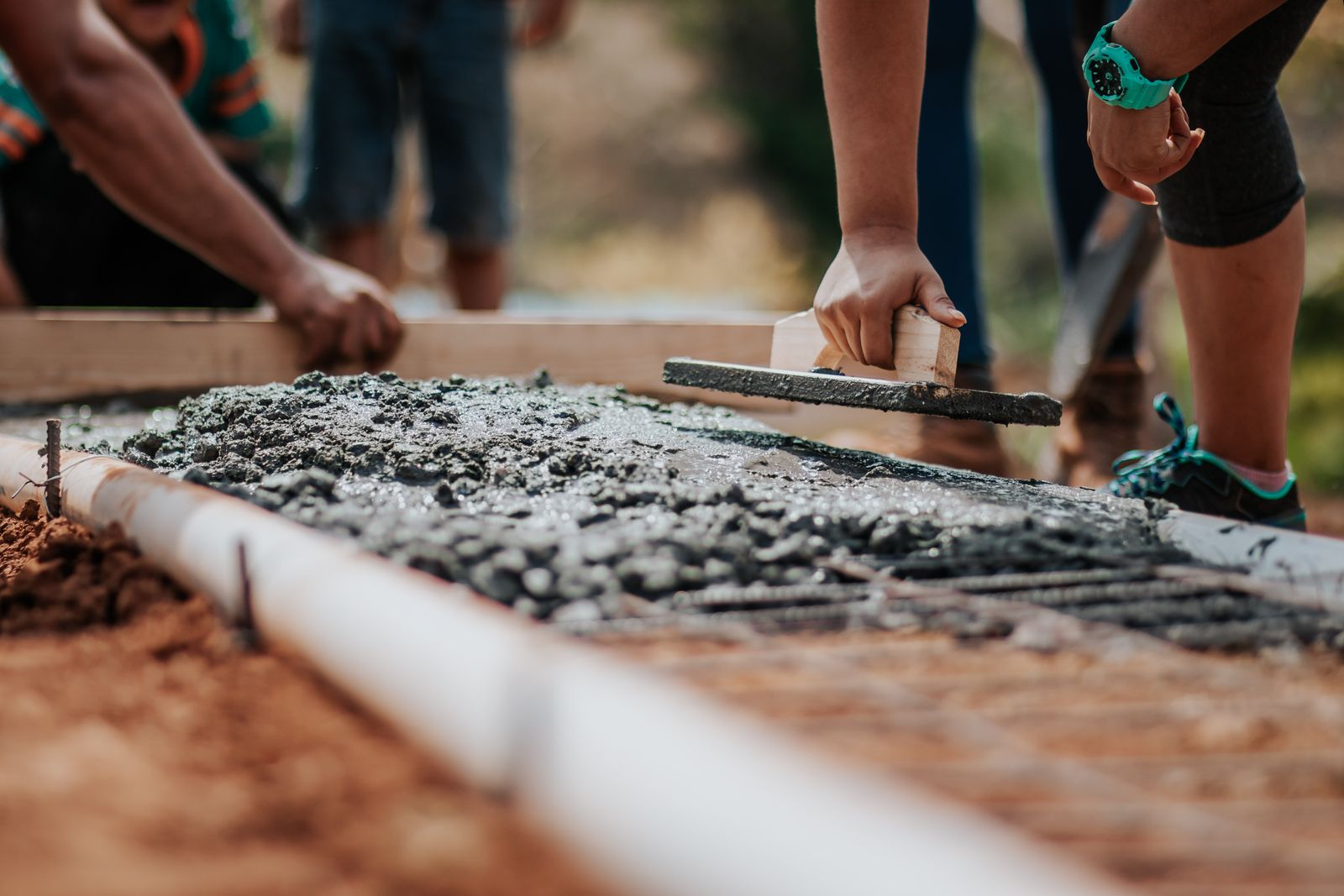
- A poured concrete slab with monolithic or thickened-edge footings
- Concrete piers poured into the ground below the frost line
- Treated lumber posts set in concrete footings below grade
What building departments typically consider non-permanent:
- A greenhouse resting on patio pavers or compacted gravel with no below-grade anchoring
- Polycarbonate or glass kit greenhouses secured with removable anchor stakes or ground screws
- Portable or pop-up structures with no foundation at all
The distinction matters because a permanent foundation signals to the building department that the structure affects the property in a lasting way. A non-permanent structure can theoretically be moved, which most jurisdictions treat more permissively.
The greenhouse foundation guide covers the practical trade-offs between foundation types for growing performance and structure longevity. For permit purposes, the trade-off is simpler: a concrete slab is almost certainly a permitted project; a paver or gravel base under a small kit is much more likely to fall under the size-based exemption.
Size thresholds: the model baseline and how jurisdictions deviate
The International Residential Code (IRC), the model residential building code used as the baseline by most US municipalities, exempts from permit requirements “one-story detached accessory structures used as tool and storage sheds, playhouses and similar uses, provided the floor area does not exceed 120 square feet.” A greenhouse on a non-permanent foundation that stays under 120 square feet fits in this exemption in jurisdictions that have adopted the model language without amendment.
That 120 square feet is the starting point, not a universal rule. Common patterns in how jurisdictions deviate:
- Lower thresholds (80 to 100 sq ft): Dense urban municipalities often set lower limits to manage neighborhood character and administrative volume.
- Higher thresholds (150 to 200 sq ft or more): Many suburban and rural jurisdictions raise the exemption to reduce paperwork on small projects.
- Agricultural zoning: Properties in agricultural zones typically have much higher thresholds or no permit requirement for farm structures at all.
Common kit sizes fall across this range in predictable ways. An 8x10 greenhouse (80 sq ft) clears the threshold comfortably in most places. A 10x12 (120 sq ft) sits right at the model baseline. The Exaco Riga series, which starts at roughly 11.5 x 15.7 feet (about 180 sq ft), falls in the zone where a permit is required in many residential jurisdictions. Anything approaching 200 square feet or larger almost certainly requires a permit in residential zones across the US.
If you are choosing between kit sizes and are on the fence about permits, the footprint you order may determine whether one applies.

Electrical and plumbing: separate permits, always
A building permit exemption for a small structure applies to the structural shell only. It does not exempt electrical or plumbing work inside or connected to that structure.
If you plan to run a power circuit to a permit-exempt greenhouse for a heater, exhaust fan, grow light, or outlet, that electrical work requires its own permit in virtually every US jurisdiction, regardless of whether the greenhouse structure itself needed one. The same applies to any buried water supply line, fixed irrigation system, or drain.
The greenhouse electrical guide covers the specific wiring requirements for greenhouse power, including GFCI protection for outdoor circuits and the differences between a single branch circuit and a dedicated subpanel. For permit purposes, the key point is that the electrical question and the structural question are separate conversations with the building department, typically handled by different inspectors.
Most permanently installed heaters covered in the cheap greenhouse heating guide require a dedicated circuit, which requires a permit and inspections at rough-in and final. Budget for that from the start.
Setbacks and HOA: separate constraints that still apply
Even when a building permit is not required, two additional rules can determine where a greenhouse can go:
Setbacks are minimum distance requirements from property lines, established by the local zoning ordinance rather than the building code. Most jurisdictions require accessory structures to maintain a minimum distance from rear and side property lines, typically three to ten feet depending on the zoning district. Some jurisdictions apply tighter setbacks to structures over a certain size; others apply the same setback regardless of footprint.
Setbacks apply even when a permit is not required. A greenhouse can be fully exempt from a building permit and still violate a setback requirement, which is a separate zoning enforcement issue. The greenhouse site selection guide covers the orientation and setback factors that determine where on a given lot a greenhouse can go.
HOA covenants (Covenants, Conditions, and Restrictions, or CC&Rs) are a parallel system entirely. They are a private contract between you and the homeowners association, enforced by the HOA board rather than the municipality. The HOA can prohibit or restrict any structure regardless of what the municipality permits or exempts. It can require Architectural Review Committee approval before construction begins, and that process is separate from any municipal permit.
Common HOA restrictions on greenhouse projects: no structures visible from the street, requiring rear-yard placement; height limits lower than what zoning allows; review periods that can run four to eight weeks; and CC&Rs that explicitly name greenhouse structures as permitted or prohibited. If you live in an HOA, check the CC&Rs before ordering anything.
What a permit process involves
For structures that do require a permit, the process follows a standard pattern in most jurisdictions:
- Application. Submit to the local building department, in person or online. A small greenhouse typically needs a site plan showing where the structure sits on the lot with setback dimensions noted, and a description of the foundation type. Most jurisdictions accept a hand-drawn sketch for projects of this scale.
- Plan review. The building department reviews the application against local code. For a small accessory structure with no electrical work, same-day or next-day approval is common in most jurisdictions.
- Permit fee. Expect $50 to $300 for a basic residential accessory structure permit. Electrical and plumbing work trigger separate fees for those trades.
- Inspection. Most jurisdictions require at least a foundation inspection before concrete is poured and a final inspection when the structure is complete. An inspector verifies that setback distances were observed and that the foundation matches the approved plan.
The permit process for a small greenhouse typically takes one to three weeks from application to approval. The main reason to start before ordering a kit is to confirm the exact setback dimensions, which determine where on the lot the structure can actually be placed.
What happens without a permit
Building without a required permit is common enough that building departments have standard procedures for handling it. The outcomes in order of typical frequency:
Stop-work order. If discovered during construction, from a neighbor’s complaint or a building inspector who sees the work in progress, the department issues a stop-work order. Construction must halt until the permit issue is resolved.
After-the-fact permit. Most jurisdictions allow a retroactive application after construction is complete, typically at double or triple the standard fee. The structure must also meet current code, which can require modifications.
Property sale complications. Most US states require disclosure of unpermitted structures as a material fact in real estate transactions. Home inspectors routinely identify them. Buyers can demand removal, a price reduction, or can walk away from the deal.
Insurance exposure. Homeowner’s insurance policies commonly exclude or dispute claims for losses in or attributable to unpermitted structures. Coverage terms vary by policy, but it is a risk worth understanding before building.
The practical risk for small, permit-exempt greenhouses is lower because building departments do not proactively inspect residential backyards. A neighbor complaint or a property sale changes that exposure quickly.
Five questions to ask before ordering a kit
- What is the local permit threshold? Call or email the building department. Ask: “What footprint size triggers a permit for a residential accessory structure?” and “Does a greenhouse fall in the same category as a tool shed?”
- What foundation type am I planning? A concrete slab is likely a permit trigger regardless of size. A paver or gravel base under a small kit is usually exempt. Decide before ordering.
- What are the setback distances in my zoning district? Ask the building department or check the zoning code online. Setbacks determine where on the lot the greenhouse can be placed and may eliminate candidate sites.
- Am I in an HOA? If yes, check the CC&Rs for accessory structure restrictions before ordering. HOA approval timelines vary from one week to several months.
- Am I running electrical or plumbing? If yes, budget for a separate permit and inspection for that work, regardless of whether the structure itself required one.
The permit question is the one most buyers skip because manufacturers do not raise it and local rules vary too widely for a general answer. The right time to get the answer is before the purchase, when the information can still affect the decision, not after the kit is in the driveway.
Accessories worth buying on day one
Once the permit clears and the kit is in the driveway, a short list of gear makes the structure usable through its first season.
- Ashman auger ground anchors: the non-permanent anchoring that keeps a sub-threshold kit in the exempt category while still holding the frame down in wind.
- AcuRite indoor/outdoor digital thermometer: a remote probe tells you the actual overnight lows inside the structure, which is the number that drives every later decision.
- Agribon AG-19 floating row cover: a few degrees of extra frost protection on the coldest nights, before you commit to a permitted electrical circuit for a heater.
As an Amazon Associate, Defy Frost earns from qualifying purchases.