Field test Reviews 9 min
Palram Canopia Glory Greenhouse Review: Specs and Verdict
The Canopia Glory pairs 10mm twin-wall polycarbonate panels with a dark-grey aluminum frame and an 8'4" footprint. BHG Best Splurge Greenhouse Kit of 2024.
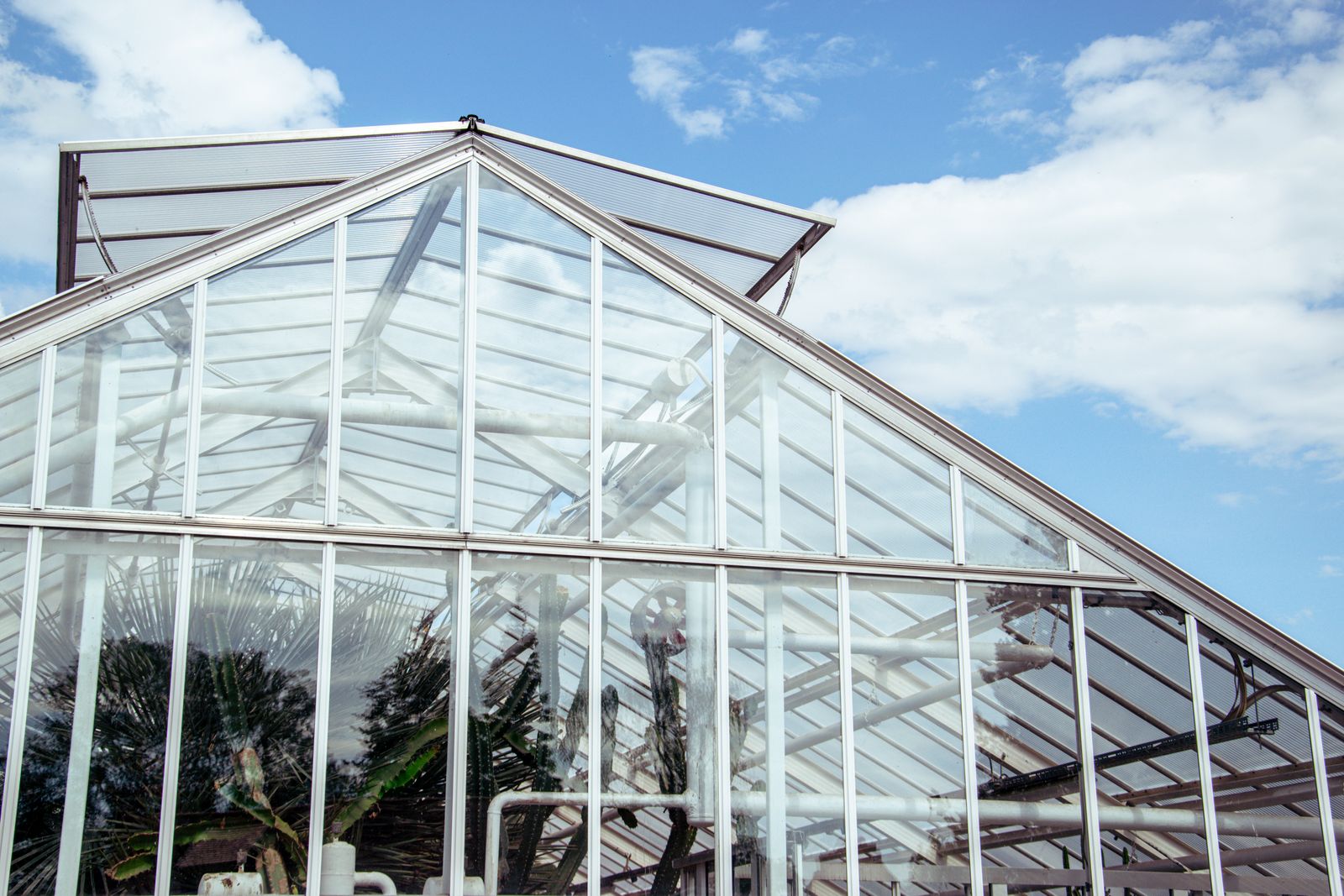
The Palram Canopia Glory is an eight-wide polycarbonate kit greenhouse with 10mm twin-wall panels throughout and a powder-coated dark-grey aluminum frame. Better Homes and Gardens named it the Best Splurge Greenhouse Kit of 2024. Five sizes run from 6’ wide to 8’4” by 20’. Canopia does not publish snow or wind load ratings.
The Glory starts at $4,349 for the 8ft wide configurations, verified at Greenhouse Megastore in June 2026. This review covers the specs, what the 10mm panel upgrade actually buys, and where the Glory makes sense versus the Canopia Hybrid.
What 10mm Twin-Wall Polycarbonate Actually Buys
The Canopia Hybrid uses 4mm twin-wall polycarbonate on the roof and single-wall clear polycarbonate on the walls. The Glory uses 10mm twin-wall throughout: roof, walls, and ends.
The R-value difference is meaningful. A 4mm twin-wall panel delivers approximately R-1.1. A 10mm twin-wall panel delivers approximately R-1.9 to R-2.1, depending on manufacturer and construction geometry. That is roughly 80 to 90 percent more insulation from the glazing alone.
In a season-extension context, that extra insulation means a 10mm paneled structure holds nighttime heat longer after a warm sunny day, recovers temperature faster on a cold morning when sunlight returns, and requires less supplemental heating to protect plants from light frost. The baseline protection is higher before you add a heater at all. For a complete comparison of twin-wall thicknesses, R-values, and light transmission numbers, the polycarbonate glazing guide has the primary-source data.
The “100% UV blockage” Canopia publishes for the Glory’s panels is standard for polycarbonate greenhouse panels: the UV-resistant coatings that prevent yellowing also block UV transmission. The “non-yellowing” specification means the coatings are designed to resist the degradation that makes older polycarbonate greenhouses go cloudy and progressively transmit less light. Canopia covers this under a 5-year minimum warranty, verified at canopia.com in June 2026.
The insulation upgrade does trade away one thing: light transmission. A thicker twin-wall panel diffuses slightly more light than a thinner one or a clear single-wall sheet. In most season-extension applications, this is not a limiting factor. For seedling production in the shortest days of winter, where every bit of direct light counts, it is worth noting.
The Frame, Colors, and Size Lineup
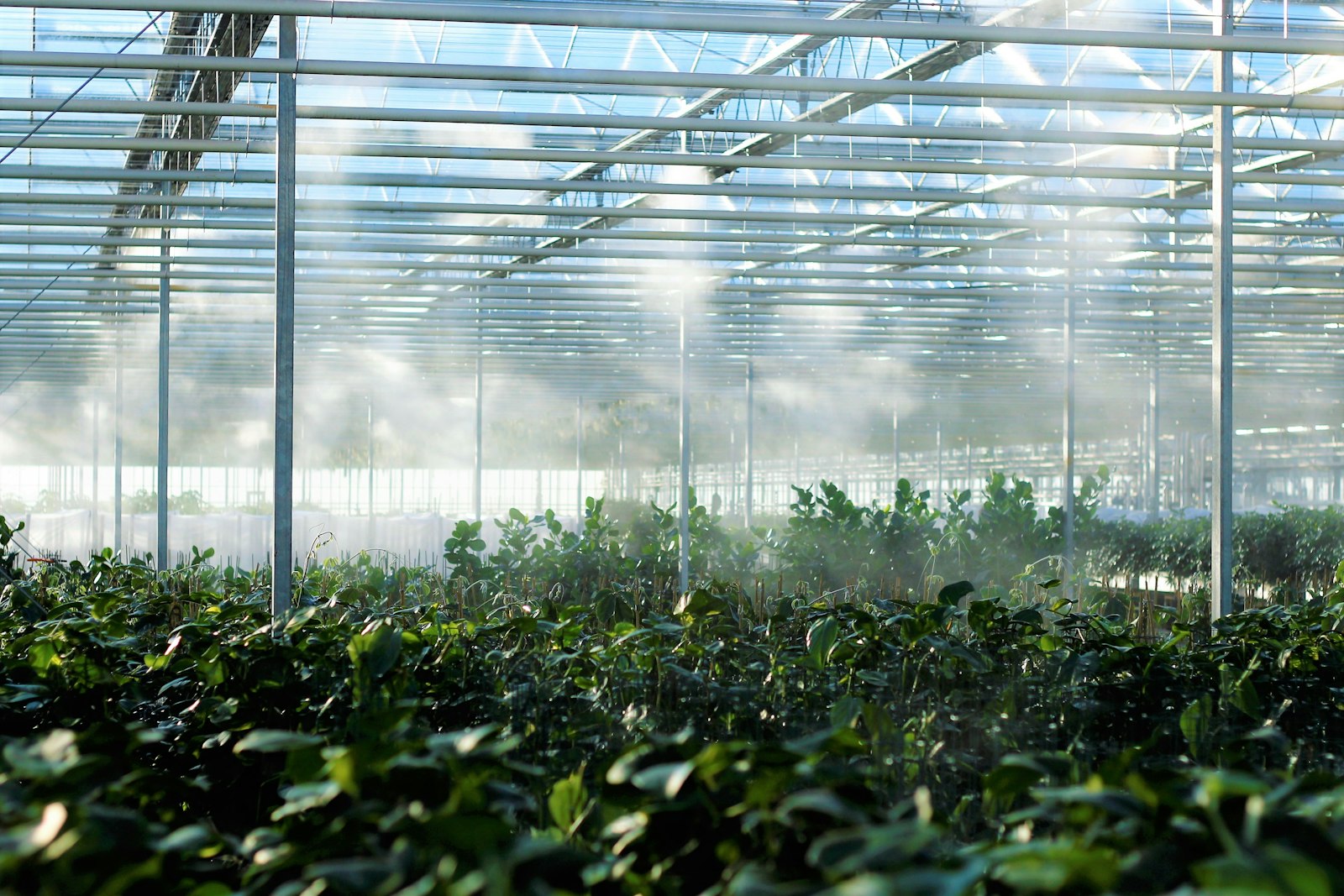
The Glory’s powder-coated aluminum frame comes in one color: dark grey matte. The Hybrid offers four options (Black, Grey, Green, Silver). The Glory’s single color is not a budget limitation; it is a design choice that gives the structure a consistent, premium look without the upcharge complexity of color variants.
The dark grey finish absorbs slightly more solar heat than a silver or light grey frame, which provides a marginal heat-retention advantage in cold-climate early spring use. The galvanized steel base kit is included with the Glory, providing the foundation channel against which the frame aligns during assembly.
Available sizes from canopia.com (verified June 2026):
- 6’ wide × 8’ deep (smallest configuration)
- 8’4” wide × 8’ deep
- 8’4” wide × 12’ deep
- 8’4” wide × 16’ deep
- 8’4” wide × 20’ deep (largest configuration)
All four 8’4”-wide configurations share the same peak height and frame design, so they support in-series extension. Start with the 8’4”×8’ and add depth later without switching to a different structure.
The 8’4” wide footprint is the meaningful structural distinction from the Canopia Hybrid’s 6-wide frame. Two additional feet of interior width changes what the growing space can do. In a 6-wide greenhouse, two standard 24-inch growing benches with a 12-inch center aisle is about the limit. In an 8’4”-wide greenhouse, two 24-inch benches leave a 36-inch center aisle: enough to turn around with a flat of seedlings, stage a bag of soil, or run a garden hose without crouching over the benches. The greenhouse foundation guide covers base preparation by footprint, soil type, and permanence requirement.
Snow, Wind, and Structural Ratings
Canopia does not publish snow load or wind speed ratings for the Glory on the manufacturer website as of June 2026. This is a relevant distinction from the Canopia Hybrid, which carries published figures of 15 lb/ft² snow and 56 mph wind.
The absence of published ratings does not mean the Glory is structurally weak. It means the rating cannot be independently verified from the spec sheet. A buyer in snow country who needs to compare structural performance against a county ground snow load has no manufacturer figure to work from.
If published structural ratings are a requirement for your purchase decision, contact Canopia directly and request the structural load documentation for the specific size you want. The snow and wind load guide explains how to read county ground snow loads from the ASCE 7 map and what the conversion to roof snow load means in practice.
Accessories
Canopia publishes an accessory lineup for the Glory, verified at canopia.com in June 2026: automatic roof vent opener, shade cloth, trellising kit, heavy-duty shelf kit, drip irrigation kit, and anchoring kit.
The automatic roof vent opener is the highest-value add for season-extension use. A small greenhouse heats up quickly on sunny days even when outdoor air is cold in spring and fall. The beeswax-actuated vent opener responds to internal temperature, opening to vent heat when the threshold is crossed and closing as the structure cools overnight. No electrical connection is required. It keeps seedlings and crops from overheating during warm afternoons without requiring the grower to check manually throughout the day. If you want a backup or a higher-lift opener for the larger roof sections, the Bayliss MK7 automatic vent opener is the wax-cylinder standard.
The drip irrigation kit makes more practical sense at 8’4” than at 6’. As the Glory scales from 8’4”×8’ to 8’4”×20’, the labor and attention required to hand-water the full growing space increases proportionally. Missing a watering while a sealed greenhouse warms up on a sunny spring day can damage crops in an hour. A drip system in a 20-foot growing space is not a convenience, it is risk management.
The anchoring kit matters for any kit greenhouse, but it matters more in a larger, heavier structure. The included galvanized steel base kit provides the foundation; the anchoring kit fastens that base to the substrate. The greenhouse foundation guide covers anchoring options for different soil types.
Pricing and Where to Buy
The Canopia Glory starts at $4,349 for the 8ft wide configurations, verified at Greenhouse Megastore in June 2026. The 8’4”×16’ configuration is listed at $5,799 at the same retailer. Canopia does not publish MSRP on the manufacturer website; check current pricing at authorized retailers for the specific size and configuration you want.
Greenhouse Megastore listed a 10% summer sale discount in June 2026; base pricing above does not reflect sale pricing, which may vary.
Note on commissions: Our verdict on the Glory rests on the spec sheet and verified retail data, not on a payout. The day-one accessory links below are separate Amazon items that do carry a commission, at no extra cost to you.
Assembly
Canopia describes the Glory as a kit with pre-drilled aluminum profiles, polycarbonate panels, and hardware organized by component. The galvanized steel base kit is included and provides the level foundation channel against which the frame assembles. Canopia does not publish an estimated assembly time on the product page.
At 8’4” wide, the Glory’s roof panels are larger and heavier than those on a 6-wide kit. A second person during panel placement is more necessary here than on the Hybrid, particularly for the roof sections. Level base preparation is also more critical: the larger footprint amplifies any grade error across the entire base length. A quarter-inch of grade across 6 feet is manageable. The same error across 8’4” creates visible panel gaps and throws the door frame out of square.
Who Should Buy the Canopia Glory
It makes sense if: You want meaningfully more insulation from the glazing than a 4mm entry-level kit delivers, you need the 8’4” wide footprint for functional center-aisle growing, and you’re in Zone 6 or warmer where the 10mm panel upgrade pays off in extended shoulder seasons without requiring the structural ratings of a Grandio or Exaco for cold-climate four-season growing. If you’re planning to extend the structure over time, the 8’4” base model is the only configuration that supports the larger depth options.
It does not make sense if: Published snow or wind ratings are a requirement. Canopia does not publish these for the Glory. For Zone 5 or colder, or high-wind exposure zones, the Grandio Elite review covers a kit with published 25 lb/ft² snow and 76 mph wind ratings. If the Hybrid’s 6-wide footprint is adequate for your space, the glazing difference alone between 4mm and 10mm does not justify the price gap for mild-climate Zone 7 season extension. The Canopia Hybrid review covers that use case.
The fundamental comparison to the Hybrid: The Glory gives you 80 to 90 percent more insulation from the glazing, two additional feet of interior working width, more growing space options, and a cleaner single-color frame. It costs considerably more and gives up the Hybrid’s four color options and published structural ratings. For Zone 7 or warmer with adequate space at 6’, the premium is hard to justify. For Zone 6 buyers or anyone who has hit the limits of a 6-wide growing setup, the premium buys something real. The cheap greenhouse heating guide runs the heating cost math by glazing type, kit size, and zone for buyers working through that comparison.
The Bottom Line
The Canopia Glory earns the BHG Best Splurge 2024 designation accurately: the 10mm twin-wall polycarbonate throughout is the correct specification for buyers who want meaningful insulation, not just season extension at the margins. The 8’4” footprint opens up the center aisle that makes a greenhouse genuinely functional to work in rather than just grow in.
The caveats are real: the unpublished structural ratings make it impossible to evaluate the Glory on structural merit from the spec sheet, and the starting price of $4,349 for the 8ft wide size is a significant commitment. Within those constraints, for Zone 6 buyers who want a step up from entry-level glazing and can use the extra width, the Glory is the right kit from this brand.
Accessories worth buying on day one
The Glory handles the structure; these are the controls that turn 10mm panels into a managed Zone 6 shoulder-season space.
- AcuRite indoor/outdoor digital thermometer: a remote probe shows the real overnight low inside, which is the number that decides whether the 10mm panels are holding enough heat on their own.
- Bio Green Palma greenhouse heater: when the panels stop being enough on a cold Zone 6 night, a sized electric heater bridges the gap to your target minimum.
- Inkbird ITC-308 temperature controller: plug the heater into this and it only runs below your set point, which keeps the running cost down across a long shoulder season.
- Aluminet reflective shade cloth: in summer the same insulation that holds heat works against you, and reflective shade cloth keeps the interior off the boil without dimming the space the way dark cloth does.
As an Amazon Associate, Defy Frost earns from qualifying purchases.