Field test Reviews 7 min
Solexx Greenhouse Review: PE Twin-Wall vs. Polycarbonate
Solexx's PE twin-wall kits deliver R-2.1 insulation and diffused light. Five models compared: who should buy direct and who should keep looking.
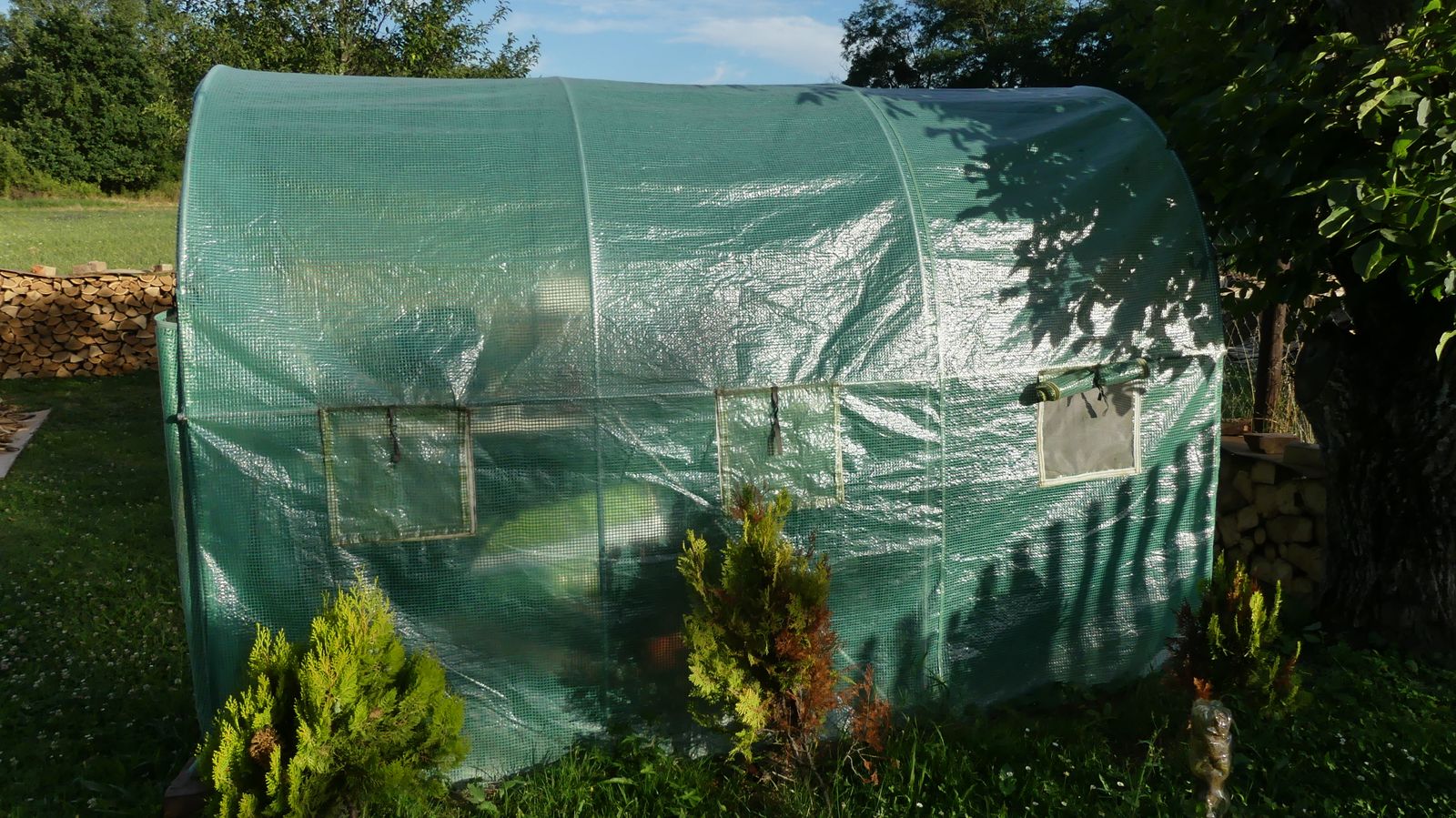
Solexx greenhouses are the ones frost-belt growers find after rejecting polycarbonate kits. The PE twin-wall panels deliver R-2.1 insulation, nearly double the R-1.1 of standard 4mm polycarbonate. The frame needs no foundation. Pricing is by email only, no online cart. Five models run from the 8x8 Early Bloomer to the 16-wide Conservatory.
What Is Solexx, and Why Does It Matter
Most greenhouse kits use twin-wall polycarbonate panels: rigid, somewhat transparent, and reasonably insulating. Solexx uses twin-wall corrugated polyethylene instead. The PE material is flexible enough to bend around curved surfaces, which is why every Solexx model has a rounded ridgeline rather than the peaked gable you see on polycarbonate kits.
Two practical results follow from the PE construction. First, higher insulation for the panel thickness (more on that below). Second, a fundamentally different kind of light transmission. Polycarbonate passes mostly direct light with some incidental diffusion. The Solexx PE structure scatters incoming light before it reaches the plants, eliminating the hot spots on south-facing leaves that direct light creates and distributing usable light more evenly across the canopy.
Solexx was founded in 1986 by Mike and Bev Perry in Salem, Oregon. The origin story: they observed better tomato growth under corrugated PE film than under glass and built a hobby kit around the observation. The company still manufactures in Salem, still sells direct to customers, and has not moved into retail channels in nearly 40 years of operation.
The Five Models
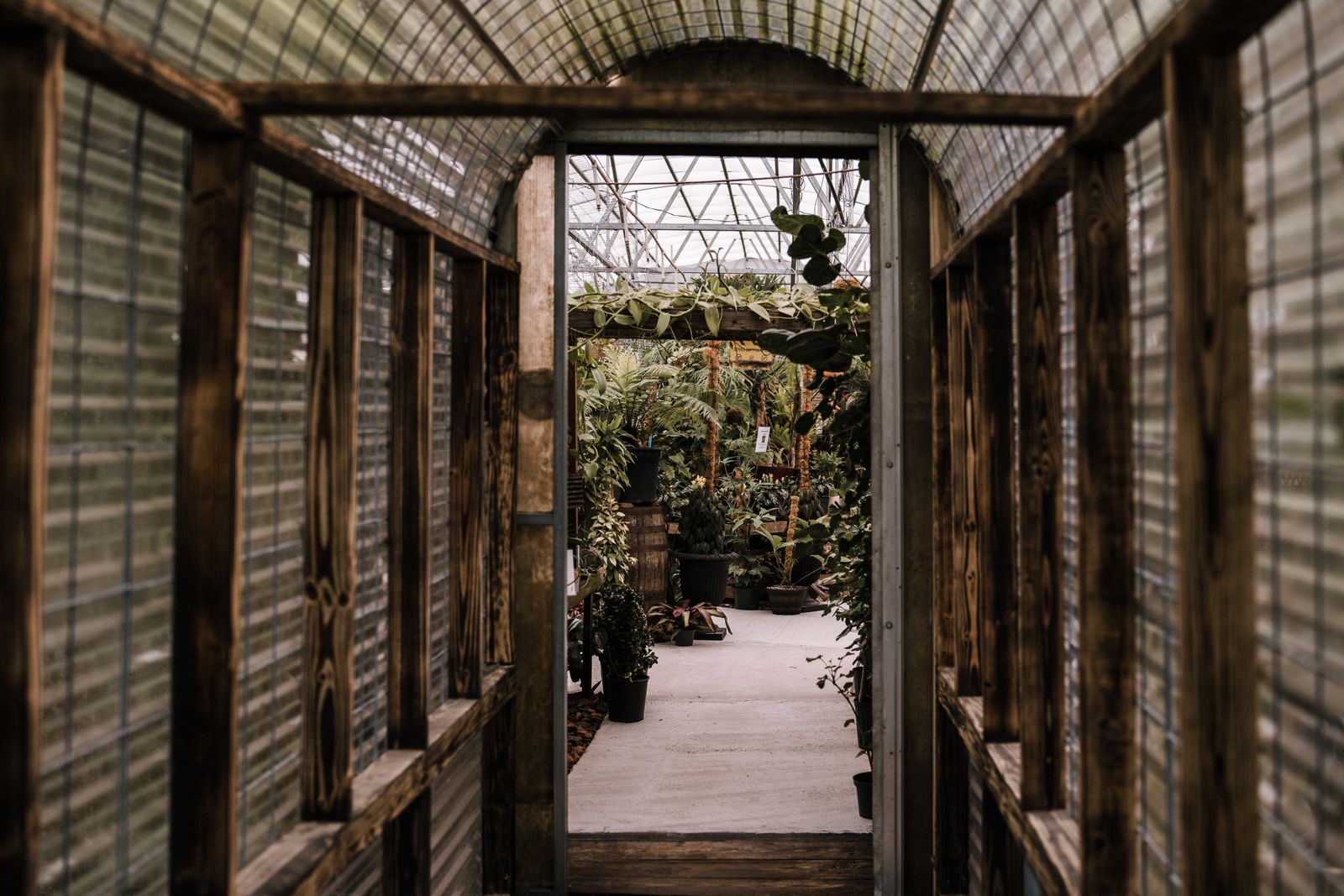
All five Solexx kits share the same frame spec: white composite, PVC, and steel fittings. No foundation required. Free shipping in the contiguous 48 states. A 10-year prorated UV warranty covers the panels, meaning the coverage decreases over the term rather than being all-or-nothing; the company notes that real-world panel lifespans typically run longer than the warranty period anyway. Made in Salem, Oregon. All come in both 3.5mm and 5mm panel thicknesses.
| Model | Width | Length options | Peak height | Notes |
|---|---|---|---|---|
| Early Bloomer | 8 ft | 8 ft only | 6’3” | Compact entry; 29” door width |
| Gardener’s Oasis | 8 ft | 8/12/16/24 ft | 8 ft | 8 ft sidewall; full stand-up headroom |
| Garden Master | 8 ft | 8/12/16/24 ft | 8’9” | 6’6” sidewall; gabled arch |
| Harvester | 8 ft | 8/12/16/24 ft | 8 ft | Lean-to design; attaches to existing structure |
| Conservatory | 16 ft | 8/16/20 ft | 9’6” | Wide-body; 2 to 4 doors by length |
The Early Bloomer is the entry-level compact: 8x8, 6’3” peak, 29-inch door. If headroom matters, skip it. The Gardener’s Oasis adds full 8-foot sidewall height and stretches to 24 feet, giving you comfortable working room at the benches. The Garden Master peaks higher (8’9”) but drops the sidewall to 6’6” as the gabled arch takes over. The Harvester is structurally different: it’s a lean-to greenhouse designed to attach to a house, barn, or outbuilding wall, sharing that wall’s thermal mass and saving one side of material cost. The Conservatory is the wide-body at 16 feet across, reaching 9’6” peak, with up to four doors and 220-plus square feet in the 16-foot-length configuration.
Extension kits are available for all 8-wide models, letting you add 8-foot sections as growing ambitions expand.
The R-Value Story
This is where Solexx separates from polycarbonate kits in a way cold-climate growers can put a dollar figure on. The 3.5mm PE twin-wall panel delivers R-2.1. The 5mm option reaches R-2.3. For context, here’s the full glazing comparison:
| Glazing | Thickness | R-value |
|---|---|---|
| Single-pane glass | — | ~R-1.0 |
| Polycarbonate twin-wall | 4mm | R-1.1 |
| Polycarbonate twin-wall | 6mm | R-1.35 |
| Polycarbonate twin-wall | 8mm | R-1.6 |
| Polycarbonate twin-wall | 10mm | R-1.9 |
| Solexx PE twin-wall | 3.5mm | R-2.1 |
| Solexx PE twin-wall | 5mm | R-2.3 |
Polycarbonate R-values from manufacturer specifications; Solexx R-values from solexx.com product pages, verified June 2026.
Solexx’s standard 3.5mm panel outinsulates every polycarbonate thickness, including the premium 10mm twin-wall. If you’re running a propane or electric heater through a Zone 4 or 5 winter, that difference shows up on your heating bill. For the electric side of that, a Bio Green Palma greenhouse heater is the common sizing for a small-to-mid Solexx footprint. Solexx cites USDA Virtual Grower software analysis comparing an 8x12 greenhouse in Denver at a 45°F minimum, where Solexx shows the lowest annual heating cost of any panel type tested. The $2/therm natural gas assumption in that analysis is below current market rates in most US regions, so the exact dollar comparison doesn’t transfer directly. The R-value comparison does.
For a fuller treatment of how panel R-values translate to heating load, the polycarbonate glazing guide covers the math, and the cheap greenhouse heating guide has BTU tables by kit size and climate zone.
The Light Diffusion Claim
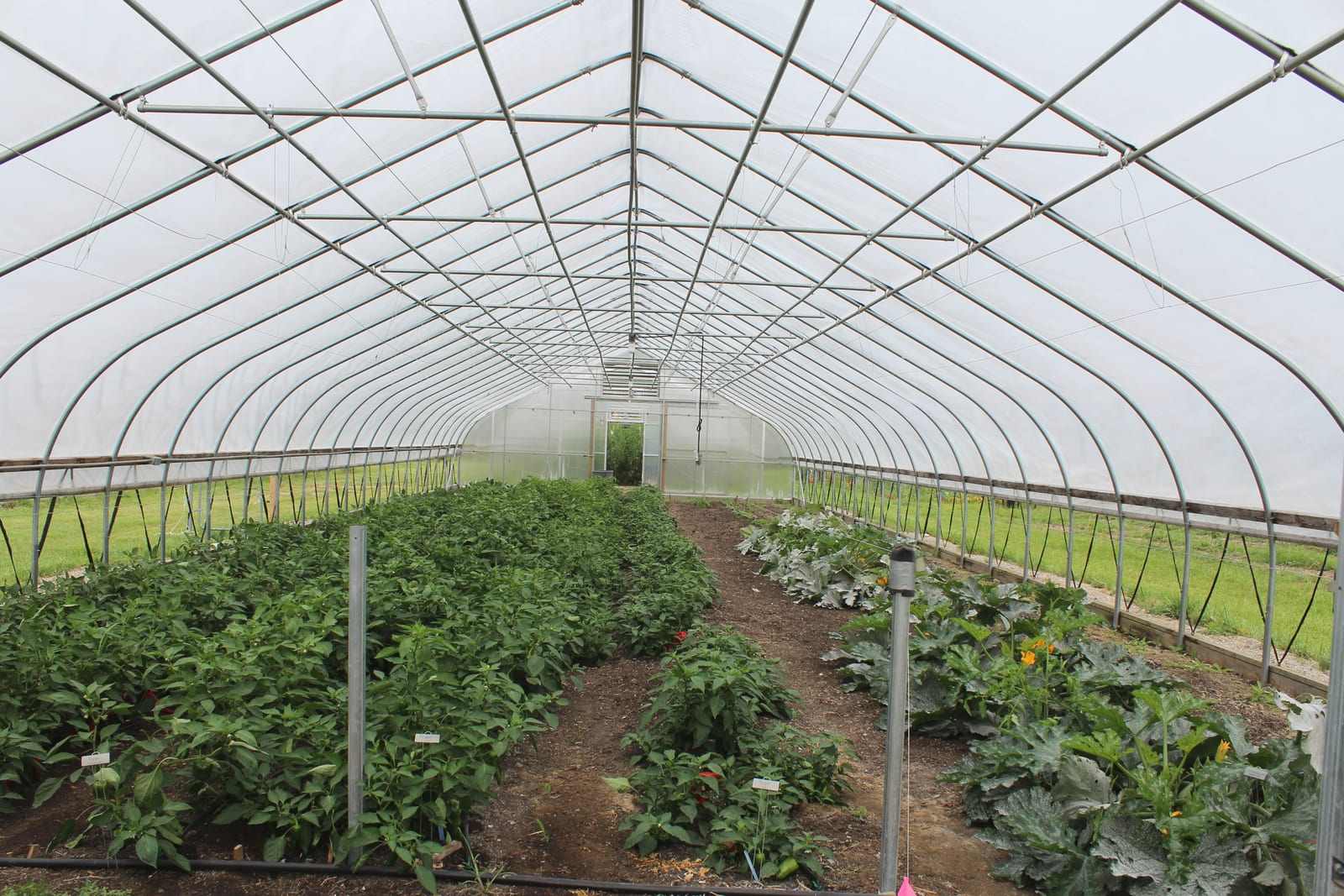
Solexx states their covering produces an even, diffuse light “proven to accelerate plant growth by 25%,” citing university testing they don’t name. The mechanism is real: diffused light reduces the leaf-surface temperature differential that causes burning, cuts the deep shade on north-facing benches, and delivers photosynthetically active radiation (PAR) to the underside of canopies that direct light skips entirely. Commercial greenhouse growers have known this for decades, which is why large production operations often use diffusing glass or frosted polycarbonate rather than clear panels.
What happens to the 25% number in a specific hobby greenhouse, with a specific crop mix and specific hours of winter sunlight, is an open question Solexx doesn’t answer. Don’t make the purchase on the 25% claim. Make it on the R-value table above plus the real-but-unquantified benefit of shadow-free light in a small growing space.
Pricing Reality
Solexx does not publish prices online. There is no “Add to Cart” button. You email them through the contact form at solexx.com, describe what you want, and they respond with pricing and ordering details.
This is not a workaround or an incomplete website. It’s the company’s model for 40 years. They build to order, ship direct from Oregon, and have no interest in competing for Amazon rankings. You won’t find a Solexx kit at Home Depot or through Greenhouse Megastore either.
For buyers used to comparison shopping, it’s an adjustment. Expect Solexx kits to sit above mid-range polycarbonate competitors: an 8x12 model will cost more than a Palram Canopia Hybrid at the same footprint. It also carries nearly double the R-value of those 4mm polycarbonate panels. Whether the tradeoff makes sense depends on your climate and how many winters you’re planning to grow through.
Assembly and Setup
Solexx lists “no foundation required” for all models, which is accurate for the kit components themselves. A level, stable surface is still necessary, and on soft soil or frost-heave-prone ground, a perimeter of treated lumber or compacted gravel prevents the door-alignment problems that come from gradual settling. The greenhouse foundation guide has the options by soil type and climate.
The composite and PVC frame fittings tolerate assembly variation more forgivingly than aluminum-channel extrusion systems. For first-time builders, that’s a genuine advantage.
Who Should Look at Solexx
Solexx makes the most sense for growers in Zone 5 or colder who plan to use the greenhouse through actual winter, not just for frost protection in October and April. The R-2.1 panel works harder than any polycarbonate option and reduces heating load in a way that adds up over multiple seasons. Buyers who want American manufacturing and a direct purchase relationship, rather than retail-channel pricing, are the natural fit.
If you’re in Zone 7 or warmer, or your goal is spring season extension rather than four-season production, the R-value advantage shrinks and polycarbonate competitors at lower price points become more competitive. The Exaco Riga review covers the German-engineered polycarbonate premium tier. The Janssens Royal Victorian review covers the glass-greenhouse tier for buyers who want maximum longevity and aesthetics.
At the other end, if you’re evaluating whether a greenhouse investment is worth it at all, the Outsunny walk-in review covers the entry-level PE-cover class, which is a much different product category.
The Honest Summary
Solexx is a niche product in the best sense. It has a real technical advantage over polycarbonate (the R-value), a real growing benefit (diffused light), a real limitation (no public pricing, no retail availability), and nearly 40 years of American manufacturing behind it. The five-model lineup gives growers meaningful sizing choices, with the Conservatory at 16 feet wide covering territory that most residential kit manufacturers don’t reach.
For cold-climate growers who’ve already decided they want the best-insulating PE twin-wall kit made in the US, Solexx is the answer. Email them.
Accessories worth buying on day one
A Solexx is a winter growing tool, so the day-one kit is about controlling heat and using the floor space well.
- AcuRite indoor/outdoor digital thermometer: a remote probe confirms the overnight low the R-2.1 panels are actually holding before you trust the structure with a winter crop.
- Inkbird ITC-308 temperature controller: it cycles the heater on only below your set point, which is how you turn the R-value advantage into a lower bill rather than just a warmer night.
- VIVOSUN seedling heat mat: bottom heat gets seeds germinating in a cold greenhouse without heating the whole air volume to do it.
- 4-tier greenhouse staging shelves: tiered staging multiplies the growing surface under that diffused light, which is the point of the PE panels in the first place.
As an Amazon Associate, Defy Frost earns from qualifying purchases.